How to Deal with Black Dust Around Air Vents Effectively. Lesson From Da Nang Vietnam booked on Trip.com
Key Highlights
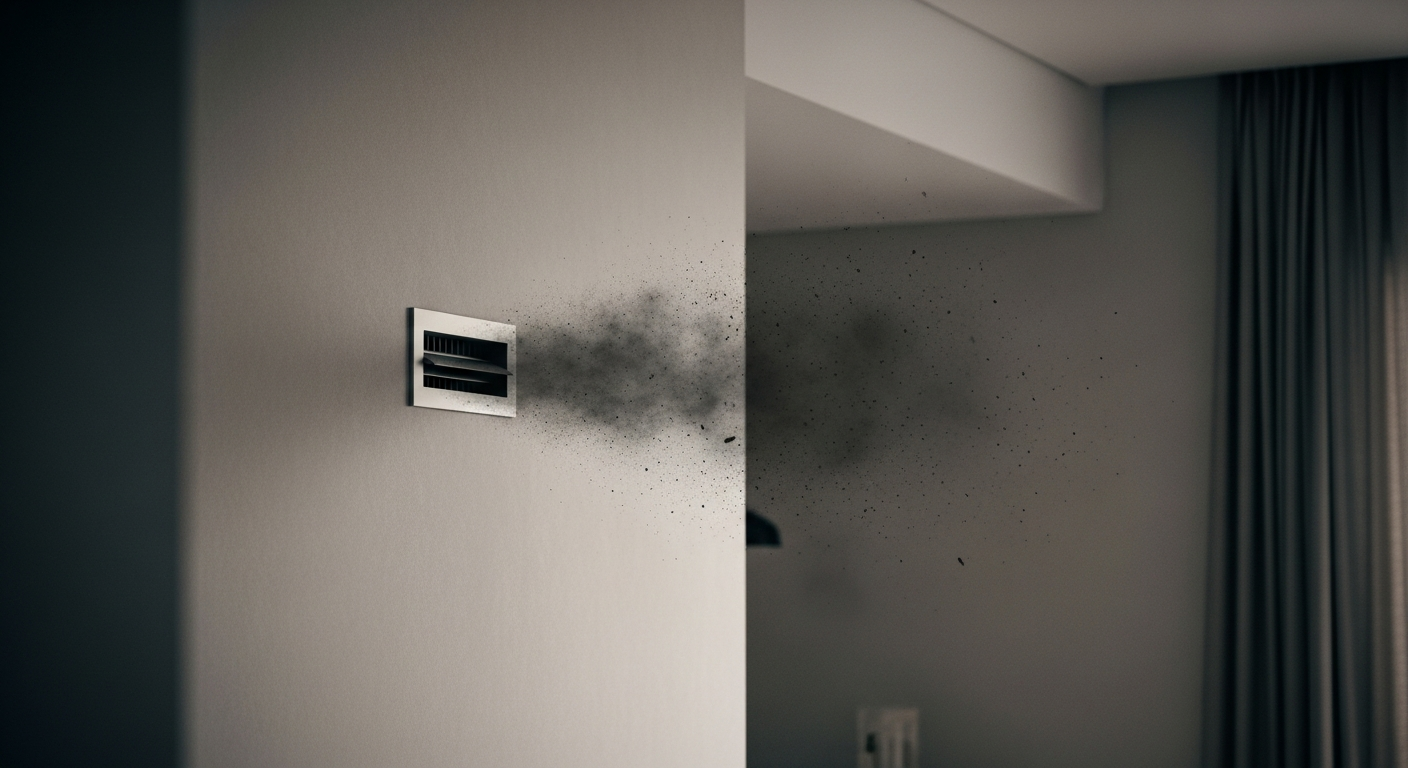
Black dust on your air vents can happen because of soot, mold growth, or problems in your HVAC system.
You need to tell if it is soot or mold. Mold will smell musty, feel slimy, and does not look the same as soot.
This buildup can hurt your air quality and might cause respiratory issues for people in the home.
You should first find out what caused the black dust before you start cleaning your vents.
Taking care of your HVAC system with regular maintenance and using good air filters can stop the black dust from coming back.
Introduction
Have you ever been cleaning your home and seen dark, dusty spots around the air vents? A lot of people notice this and feel unsure about it. The HVAC system should help with clean air. So, when you see black dust, it can feel worrying. This is not just about cleaning. This could mean there is something else going on. It is important to know what causes this black dust on the vents. When you find out the reason, you can help make your air quality better. This helps to keep your indoor air healthy for you and your family.
Common Causes of Black Dust from Air Vents
The black dust you see on your air vents can come from different things. A common reason is soot. If you burn candles, use a fireplace, or light incense sticks often, small black particles get into the air. The air conditioning system pulls these black particles in. After a while, they pile up on the vents.
Another thing that people often worry about is mold. There can be moisture inside your ducts because of condensation, and this can help mold grow. When you notice black dust, you need to check if it is just harmless soot, or if it is mold that could harm your air quality.
Soot and Particulate Buildup Explained
Soot is a fine black powder that comes from burning things that are made from living stuff, but not all the way. When soot particles float in the air, your HVAC system moves them and dust particles around your house. These soot particles are very small, so they easily go through most normal air filters.
The black soot sticks to things, mostly near your air conditioning vents. This is where the air comes out. The vents can get a bit wet because of condensation. This makes them sticky so the soot can cling to them.
Common sources of soot in a home include:
Burning candles that smell nice or have no smell
Using a wood-burning fireplace
Smoking or burning incense
If you see this buildup, it may mean that your HVAC air filter is not catching these small bits.
Mold Growth vs. Regular Dust in Air Vents
It is not always easy to see if you have black mold or just a build up of dark dust particles. Mold spores are always in the air, but they only turn into a problem when they land on a wet spot and start to grow. The inside of your ducts can be a good place for this to happen, especially in summer when the air is humid.
Unlike regular dust, which is dry and easy to wipe, mold can look and feel different. Mold could seem fuzzy or slimy. There is also a musty smell, like sour laundry, that helps you know it is mold growth and not only dust.
Here’s a simple comparison to help you see the difference between black dust and black mold:
Feature | Regular Black Dust/Soot | Black Mold |
|---|---|---|
Texture | Dry and powdery. It wipes off easy. | Slimy, fuzzy, or streaky. It is hard to wipe off. |
Smell | Most of the time, it does not smell. | It can have a strong, musty, or earthy smell. |
Location | Shows up on the vent grill and the wall or ceiling near it. | It can show up not only on the vent but inside the air ducts as it grows. |
Knowing what sets black dust, soot, or black mold apart can help you keep your ducts clean and keep mold away.
HVAC System Issues That Promote Black Dust from AC Vent
Yes, black dust from your AC vent can mean your HVAC system has a problem. The problem may not always be from inside your air at home. In many cases, it's what comes into your ventilation system from outside. A lot of ducts pass through spaces like the attic or crawlspace, which have a lot of dust. This dust can get into your ductwork and spread inside when the hvac is on.
If there are gaps, cracks, or holes in the ductwork, black dust and dirt can get pulled into the clean air after it goes through your air conditioner filter. This dirty air comes out through your vents and puts black dust around the vent openings.
Potential HVAC problems include:
There can be gaps or leaks in your ductwork.
Your ducts might be getting old or breaking down.
The air filter in your ac unit may be clogged or not work well.
These problems make it hard for your system to give out clean air. A trained expert should look at and fix these problems for you.
Health Risks Associated with Black Dust in Air Vents
If you find black dust near your air vents, it is more than just something that looks bad. The black dust can be soot, mold spores, or even just dust. Any of these can get blown out of the vents into the air in your home. This means the air quality goes down. If there are people in your house who are sensitive to this, it can be a real problem.
These tiny bits in the air can cause breathing problems, allergies, and other bad signs. If this black dust is really black mold, it can cause bigger health problems. So, it is important to find out where the dust is coming from and fix it fast. Next, let's talk about the main dangers and see how this black dust and mold can hurt the air inside your home.
Potential Dangers of Breathing Black Dust from Vents
Breathing in the airborne particles from black dust can be bad for you, especially if it keeps happening over time. When the HVAC system spreads these particles, you are exposed to them often. This may cause problems like irritation and can even lead to more serious respiratory issues.
If the black specks are mold spores, the risk gets higher. Breathing in black mold can give you things like headaches that don’t go away, a runny nose, sneezing, coughing, and sore eyes. People with asthma or other lung problems may feel much worse if they come in contact with mold. It can make their symptoms more serious.
Even when the dust is not mold, breathing in dust particles or soot is not good for your lungs. Things like dust and soot can make your lungs feel sore and not work well. The best way to deal with this is to get rid of where the dust comes from. This keeps the air in your home safe and good for all people who live there.
Allergens and Indoor Air Quality Impact
The black dust you see coming out of your vents can make the air quality in your home worse. There can be more than just black dust inside your ducts. A lot of things can collect in there. These things include pollen, pet dander, dust, and other stuff that can bother people. Over time, all of these can pile up inside your ductwork and stick around. This build-up can make your indoor air quality not as good as it should be.
When your ac or heating starts, it pushes these allergens all over the home. This can make your house hard to be in if you or anyone has allergies or feel sensitive to air changes. You may notice you sneeze more or feel stuffed up, mostly when the heat or ac is on.
The impact on air quality can be significant:
There is more of airborne allergens in the air.
Dust particles move around that would usually stay on surfaces.
Mold spores from the ducts could spread into rooms where people live.
How to Identify Black Dust on Air Vents
When you notice black particles on your air vents, start by checking what you are looking at. Are these just dust particles that look dark, or is there a bigger problem like mold? Look closely at your vents. You can often get some good clues this way to tell what it is at first.
Watch for how it feels, smells, and how easy it is to clean. These things help you know if it is just dust or something more serious like mold. The next parts will help you spot the signs and know what they mean for your air quality.
Signs of Mold Versus Ordinary Dust
Telling mold from regular dust can be done by looking and using your senses. First, look closely at what you see. Dust is dry and looks like a fine powder, even when it looks dark. Mold is different. Mold can look patchy, feel fuzzy, or even feel wet and slimy if there is moisture.
Next, think about the smell. If you get a strong musty or earth-like scent from the vents, or you notice it every time the system is on, that could mean there is mold inside. Most of the time, regular dust and soot do not have any smell at all.
Finally, try to wipe the area with a cloth.
Dust/Soot: This will often wipe off with little effort. It can leave a dry mark on your cloth.
Mold: This is harder to clean. It may leave a sticky feel or cause a mark that won't wash off.
Persistent Symptoms: If people in your home feel tired, have headaches, or feel allergy signs with no clear reason, mold spores in the ducts could be the cause.
Can the Black Dust Affect Your Air Purifier’s Performance?
Yes, too much black dust coming from your vents can really affect how your air purifier works. The air purifier takes in dirty air and catches dust particles in the filter. If your hvac system is always sending out a lot of dust from the vents, your air purifier will have to work harder to keep the air clean.
This can make the air filter in the purifier get dirty faster than normal. When the filter is blocked, the purifier does not catch small things in the air as well. This lowers how well it does cleaning. You may need to change the air filter more often, which will cost you more for cleaning.
In the end, an air purifier can only help with the symptoms. It does not fix where the black dust is coming from. The best thing to do is find and fix the source inside your hvac system. This will make your air quality better. It will also help your air purifier work well.
Conclusion
To sum up, it is important to deal with black dust around air vents to keep your air clean at home. Knowing what causes it, what risks it brings, and how to find it will help you stop it. Cleaning and checking your HVAC system often will help you avoid more buildup. This will also keep your air quality good. If you take steps early, you protect your health and make your home feel better to live in. If you are not sure what to do or need help, get in touch with our experts for a free consultation. This way, your home will stay safe and clean.
Frequently Asked Questions
How can I safely clean black dust from air vents?
For normal dust or soot, you can use your vacuum on the vents. Wipe them clean with a simple household cleaner. If you think there might be mold, do not try harsh diy methods because this can make mold spores go into the air. The best way is to let a professional handle the cleaning. They have the right equipment for mold remediation and will make sure all dust particles are gone.
Should I hire a professional to inspect or clean air vents with black dust?
Yes, it's a good idea to hire a professional if you think you have mold or a problem with your HVAC system. A professional can find out what is wrong fast. They will clean your air duct well. They also know how to do mold remediation the right way, so it is safe. A pro can look at your HVAC system and work to make your indoor air quality better. They help you fix these issues so you do not have the same air quality problems again.
How do I prevent black dust from forming around air vents in the future?
To stop black dust, you need to change your HVAC air filter often. Make sure you use a good one. It is also good to get your system checked often, and try to use candles less because they make soot. Keep your indoor humidity levels low so mold and mold growth do not start. This way, you can help keep your air, vents, and home clean.
What causes that black dusty stuff around my air vents and should I be worried about it being mold?
The black dust you see might be soot from candles or a fireplace. It could also be mold. If you notice a musty smell or if the dust looks slimy, it is a sign of mold. Mold can release mold spores into the air, and this can affect air quality. So, it's important to know if you have mold or soot, so you can handle it the right way.
Is the black dust near air vents dangerous or harmful to my health?
Yes, it can be. Dust particles in the air, like soot, regular allergens, or even black mold, can lower air quality. This can lead to respiratory issues for you, especially if you are sensitive. Breathing in these particles can make you cough or feel irritation. It can also cause other symptoms that feel like allergies. Because of this, mold, soot, allergens, and dust particles in the air are a health concern for many people.
How can I tell if the black dust around my air vents is mold?
You might think there is mold if you see something black that looks slimy or fuzzy. It can be hard to clean off and can smell musty or earthy. On the other hand, dust is dry. It comes off without much work. If you smell a strong musty odor coming from your ducts all the time, it is a big warning sign that mold could be there and is bad for your air quality.
What are the best methods to clean black dust from air vents safely?
For light dust, you can use a vacuum on the air conditioner vents. After that, wipe them with a damp cloth. If you think there might be mold, mold remediation by a pro is best and safest. A full air duct cleaning from a certified service will get rid of things that can make you sick. It will also help keep your air duct, filter, and air conditioner clean. This way, your vents and system will work well.
Can black dust around vents be a sign of a problem with my HVAC system?
Yes, it can. When you see black dust, this can mean your ducts are leaky. This lets dirt from the attic or walls get into the ventilation. It can also show that your air conditioner’s filter is blocked or does not work well. This lets you know that your hvac system may need to be checked and cleaned. It is good to get hvac system maintenance to keep black dust out and help your air conditioner work better.
How do I prevent black dust from forming around my air vents in the future?
Stop black dust by using a high-quality air filter. You should choose a filter with a MERV 13 or higher if there is soot in your home. Make sure to change the air filter often. This helps keep dust down. Book regular HVAC checkups, so a technician can look for leaks and see that everything works well. A professional duct cleaning from time to time will also remove dust sitting in your ducts. This keeps the black dust from moving through your home. Using these steps, you can cut down on dust, soot, and feel better inside your house.
Why does black dust collect on ceilings and walls near air vents?
Black particles show up on surfaces close to vents because of something called "ghosting" or "carbon tracking." Condensation forms on the cool vent surface and makes it a bit sticky. When air moves over the vent, these black particles stick to the wet vent and the wall or ceiling near it.
Is black dust coming out of AC vents common in apartments?
Yes, this can happen in many apartments. It is seen a lot in older buildings. The ducts may not be cleaned or taken care of as much. Many people use the same ventilation system. There is also less control over when and how maintenance is done. This can cause problems with dust and air quality. You might notice black residue around the air conditioner vents.
Should I hire a professional to inspect or clean air vents with black dust?
It is a good idea to hire a professional for this job. A professional can find where the dust is coming from. They will also do a safe and complete duct cleaning. The expert will check your hvac system and your air filter as well. If there is mold, a professional is needed to do safe mold remediation. This will help keep the air quality in your home good.
Could black dust from air vents affect my air purifier’s performance?
Yes, that's true. When you see a steady flow of black dust particles coming out of your vents, your air purifier will have to work harder. A lot of black dust can fill up its filter in less time, so it won't clean the air as well. You will spend more on maintenance, too. It's good to find what is causing the dust and fix it. Doing this can improve air quality and help your air purifier last longer.


Comments
Post a Comment