Tiny Insects in Vietnam: How to Avoid Night Bites in Da Nang Hotels
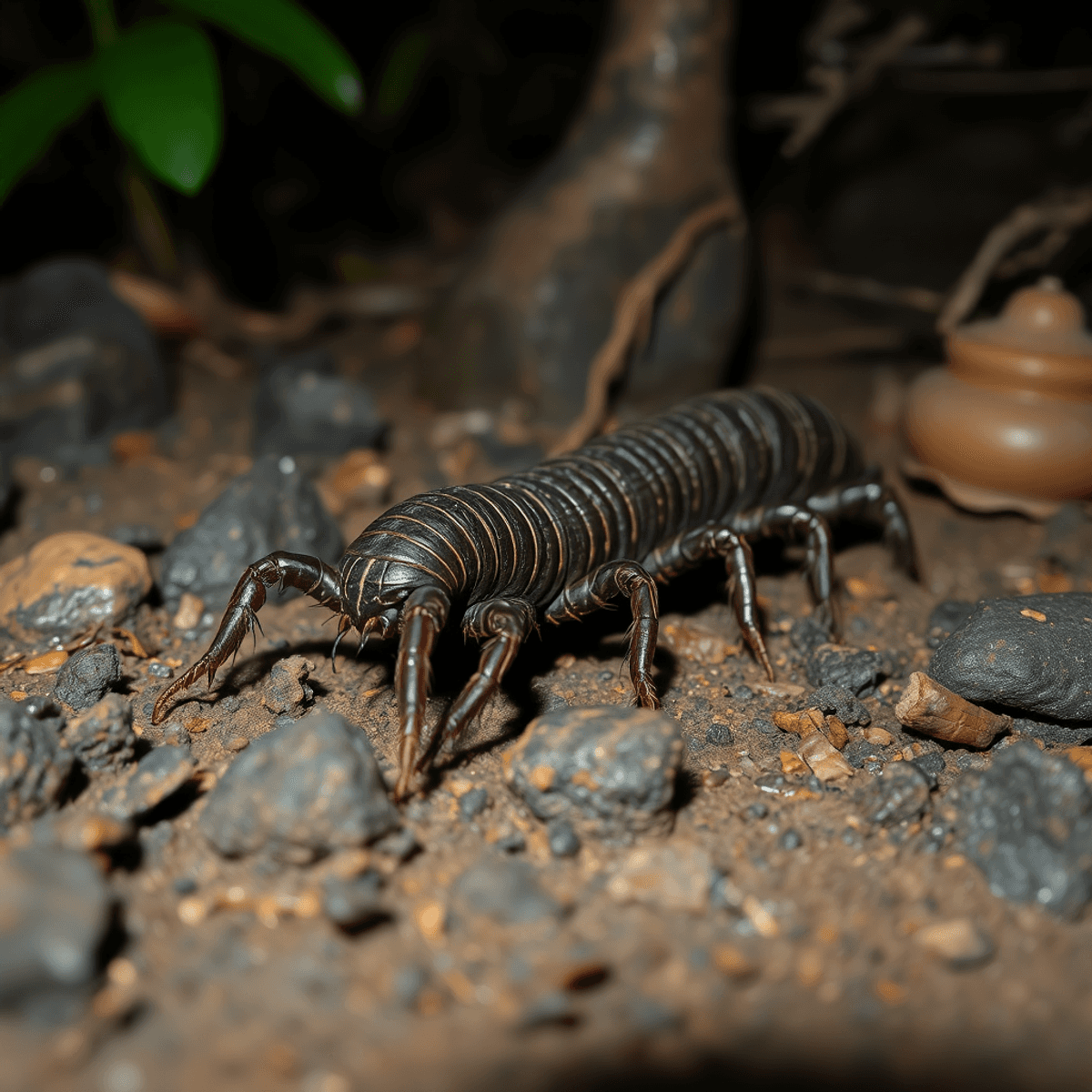
Vietnam's tropical environment is home to many insects, some harmless and others potentially dangerous. One such creature that stands out is the giant centipede. This intimidating arthropod is often seen by both locals and travelers. It is known for its large size and venomous bite, making it a creature to be cautious of.
Giant centipedes have a tendency to invade areas where humans reside, including hotels, resorts, apartments, and other places of accommodation. Therefore, it becomes crucial for anyone spending time in Vietnam to understand the risks associated with these creatures.
Why Should You Be Concerned?
Here are a few reasons why being aware of giant centipedes is important:
- Common Presence: Giant centipedes can be found in residential and hospitality areas throughout Vietnam.
- Painful Bites: Their bites can cause significant pain and may require medical attention.
- Hidden Habitats: These insects tend to hide in dark, damp places such as under furniture or inside shoes left outside—areas that are often neglected during regular cleaning.
- Nocturnal Behavior: As nocturnal creatures, giant centipedes are active at night when they may unexpectedly bite, leading to discomfort that disrupts sleep and travel plans.
A Personal Experience
During my stay at a hotel resort apartment in Vietnam, I had a firsthand encounter with giant centipedes. I experienced multiple night bites from these creatures, waking up to find painful marks on my legs. This incident made me realize how easily these bugs can invade even well-maintained accommodations.
This experience emphasizes the importance of being aware and taking proactive measures to prevent similar incidents from happening.
What Will You Learn?
In this guide, we will cover the following topics:
- How to identify giant centipedes
- Understanding their behavior
- Preventing bites during nighttime hours
- Managing encounters within hotels or resorts
By gaining knowledge about these aspects, you can ensure a safer stay while exploring the beautiful landscapes of Vietnam.
Understanding Giant Centipedes in Vietnam
The giant centipede that residents and travelers in Vietnam most often come across is the Scolopendra subspinipes. This species is known for its impressive size and aggressive behavior, making it a formidable creature. Among the wide variety of insects found in Vietnam, such as butterflies, black soldier flies, and various beetles, the giant centipede stands out.
Physical Characteristics
Here are some key physical features of the Scolopendra subspinipes:
- Size: Adult Scolopendra subspinipes can reach lengths of 15 to 20 centimeters (6 to 8 inches), making them one of the largest centipede species in the region.
- Color: Typically displaying a vibrant reddish-orange body with darker segmented legs, these centipedes have a glossy appearance that can sometimes be mistaken for other insects.
- Leg Count: True to their name, they possess numerous legs—usually around 21 to 23 pairs—which aid their rapid movements across varied terrain.
Habitat Preferences
Giant centipedes prefer environments that provide moisture and darkness. Common hiding spots include:
- Under rocks and leaf litter
- Bathroom corners where humidity remains high
- Inside shoes left outside overnight or in shaded areas
- Among piles of wood or debris near residential areas
These habitats mirror conditions that also attract other creatures like cockroaches or spiders, which serve as prey for the centipedes.
Behavior Patterns
Nocturnal predators by nature, giant centipedes in Vietnam become active after dusk. Their hunting strategy involves using venomous claws to capture insects and small animals. Unlike butterflies of Vietnam which are delicate and harmless, these centipedes pose a defensive threat if disturbed. They move swiftly under cover of darkness and can hide within bedding or pillows if these items are left on floors or near entry points.
Understanding these traits aids in recognizing potential risks inside living spaces and highlights why encounters can lead to unexpected bites during nighttime hours.
Other Common Insects and Bugs in Vietnam
Vietnam’s diverse climate and ecosystems create a habitat for a wide array of insects in Vietnam and bugs in Vietnam, some of which are frequently encountered by residents and travelers alike. Understanding these species helps in recognizing potential nuisances or health risks alongside the more infamous giant centipedes.
Vietnamese Stick Insect
Known locally as thuộc cánh lá, the Vietnamese stick insect is a master of camouflage resembling twigs or leaves.
- Size varies, often reaching 8 to 12 cm in length.
- Harmless to humans but fascinating for their ability to blend seamlessly into foliage.
- These insects play an important role in controlling vegetation by feeding on leaves without overwhelming plant populations.
Cockroach Species
Several species of cockroaches thrive throughout Vietnam, including the common German cockroach (Blattella germanica) and the larger American cockroach (Periplaneta americana).
- Cockroaches prefer warm, humid environments often found indoors—kitchens, bathrooms, and damp corners.
- They are known carriers of bacteria and allergens, posing health concerns especially in urban apartments and food establishments.
- Presence of cockroaches can attract predators such as giant centipedes seeking easy prey.
Wasps in Vietnam
The term wasps in Vietnam covers multiple species, including paper wasps and hornets.
- The Vietnam wasp is notable for its aggressive defense of nests and painful sting.
- Wasps contribute significantly to pest control by preying on other insects.
- Their stings can cause allergic reactions in sensitive individuals, making awareness essential during outdoor activities or stays near wooded areas.
Ecological Roles and Human Impact
Insects like stick insects, cockroaches, and wasps contribute to maintaining ecological balance. They assist in:
- Pollination
- Natural pest control
- Decomposition processes
However, their proximity to human habitats sometimes leads to conflicts:
- Cockroaches contaminate food supplies and aggravate asthma or allergies.
- Wasps may become aggressive near nesting sites close to homes or resorts.
- Stick insects are generally benign but may attract attention due to their size and uncanny appearance.
Recognizing these common pests alongside giant centipedes enhances preparedness when navigating Vietnam’s rich but occasionally challenging insect biodiversity.
Why Giant Centipedes Are a Concern for Residents and Travelers
Giant centipedes are considered one of the most dangerous insects in Vietnam due to their venomous sting, which can cause painful bites. The venom contains toxins that result in immediate sharp pain, redness, swelling, and sometimes localized numbness or weakness. While bites from centipedes are rarely life-threatening, they can lead to discomfort lasting several hours or even days. Some individuals may also experience allergic reactions, intensifying the severity of symptoms.
Risks for Residents and Travelers
Residents living in apartments or travelers staying at hotels and resorts are particularly at risk because these arthropods can unexpectedly invade indoor living spaces. Reports of insect bites in hotels often include encounters with giant centipedes hiding in dark corners, bathrooms, or under furniture. When centipedes find their way into sleeping areas, it is common to see multiple bite marks on exposed skin. Such incidents disrupt comfort and safety during stays abroad.
Environmental Factors Attracting Giant Centipedes Indoors
Several environmental factors draw giant centipedes indoors:
- Moisture: Damp conditions inside homes provide ideal shelter for centipedes. Bathrooms, kitchens, and poorly ventilated rooms attract them seeking humidity.
- Prey availability: Cockroaches, spiders, and other small insects serve as food sources for centipedes. An abundance of these prey insects inside buildings encourages centipede presence.
- Darkness and clutter: Hidden spaces such as behind shoes left outside or beneath piles of clothes create perfect hiding spots.
Understanding these factors highlights why vigilance is crucial in preventing encounters with these nocturnal hunters. Unlike many other insects found in Vietnam, giant centipedes actively hunt indoors rather than merely coexisting quietly. Their predatory nature combined with venomous defense mechanisms makes them unique threats among insects in Vietnam affecting both residents and tourists alike.
How Giant Centipedes Enter Living Spaces in Vietnam
Giant centipedes are skilled at finding their way into human dwellings, exploiting even the smallest of openings. Understanding their common centipede entry points is essential for preventing unwanted encounters, especially during nighttime when they are most active.
Common Entry Points
- Cracks and gaps around doors and windows: These narrow spaces provide easy access for centipedes to slip inside, particularly if weatherstripping or seals are damaged or missing.
- Vents and drainage openings: Poorly covered vents or drains can serve as entryways. Centipedes often use these routes to navigate from outdoor moist environments to indoor shelters.
- Unsealed utility pipes and cables: Openings where plumbing or electrical conduits enter the building create hidden corridors for centipedes.
- Underneath floorboards or loose tiles: Structural imperfections in floors allow centipedes to emerge within living areas without immediate detection.
Influence of Seasonal Changes on Centipede Movement
- Dry season behavior: During periods of low rainfall, the environment outside becomes less hospitable due to decreasing moisture levels. Centipedes, which thrive in damp habitats, increasingly seek refuge indoors where humidity remains higher. This moisture attraction drives them into apartments and hotel rooms.
- Rainy season effects: Heavy rains can flood typical outdoor hiding spots such as soil, leaf litter, and under rocks. Displaced by rising water, centipedes migrate indoors searching for dry shelter. This seasonal displacement increases encounters within residential and accommodation settings.
Moisture Attraction as a Key Factor
Centipedes depend on moist environments to prevent desiccation. Inside homes, sources like leaking pipes, damp bathrooms, potted plants with excess water, and poorly ventilated spaces create ideal microhabitats. These conditions lure centipedes through available entry points.
“In my resort apartment experience, the bathroom’s slight humidity seemed to invite these arthropods inside at night.”
Identifying and addressing moisture hotspots reduces the likelihood of centipede visits. Effective sealing of cracks combined with moisture control forms a strong defense against these nocturnal invaders.
Recognizing how giant centipedes enter living spaces highlights the importance of structural maintenance and environmental management in minimizing risks from these venomous arthropods.
Preventive Measures to Avoid Giant Centipede Bites at Night
Giant centipedes pose a significant threat in Vietnam, especially when they enter homes during the night. Effective home pest control Vietnam strategies focus on eliminating their access and discouraging their presence indoors. These methods aim to prevent centipede bites by addressing the environments that attract and shelter these arthropods.
Seal Entry Points
Centipedes enter homes primarily through narrow cracks and crevices. Inspect your apartment or house thoroughly for:
- Gaps around window frames and doorways
- Cracks in walls or foundations
- Spaces where pipes or cables penetrate exterior walls
Use silicone-based caulk or weatherstripping materials to close these openings. Regular maintenance of seals and repairs around these points significantly lowers the chance of centipedes sneaking inside.
Control Indoor Moisture
Moisture is a magnet for giant centipedes since they thrive in damp environments. Reducing humidity inside rooms makes the conditions less hospitable:
- Use dehumidifiers, especially during Vietnam’s rainy season
- Ventilate bathrooms and kitchens properly to prevent moisture buildup
- Fix leaking pipes promptly and avoid water pooling on floors
Maintaining dry indoor conditions disrupts the centipedes’ search for shelter and decreases their likelihood of entering living quarters.
Declutter and Clean Regularly
Centipedes hide under clutter, shoes left outside, piles of clothes, or stacks of paper. Keeping living spaces tidy removes potential hiding spots:
- Store shoes off the floor or inside closed cabinets
- Avoid leaving clothes or towels on the ground overnight
- Vacuum regularly to remove small insects that serve as centipede prey
A clean environment reduces both attraction and food sources, which helps prevent bites by minimizing encounters.
Utilize Physical Barriers
For added protection during sleep hours:
- Consider using mosquito nets tucked securely under mattresses
- Keep beds away from walls where centipedes might crawl down
- Place sticky traps near suspected entry points as early warning devices
These barriers act as a last line of defense against nocturnal centipede activity.
Professional Pest Control Services
When infestations persist despite preventive efforts, professional home pest control Vietnam services offer targeted treatments. They can assess specific infestation sources and apply safe insecticides or natural deterrents tailored for centipedes without harming residents.
Adopting these practical steps creates an environment hostile to giant centipedes while promoting safer nights free from painful bites.
Managing Insect Issues in Hotels and Resorts in Vietnam
Travelers frequently encounter insect bites in hotels in Vietnam due to the tropical climate that favors many arthropods, including giant centipedes. Protecting yourself involves vigilance and proactive steps related to room inspection and hygiene.
Key actions to minimize risk while staying in hotels or resorts:
- Check bedding thoroughly: Before settling in, pull back bed sheets and pillowcases to inspect for any signs of insects or their droppings. Pay attention to seams and folds where bugs often hide.
- Inspect for mold: Damp conditions promote mold growth, which can attract insects. Look closely around windowsills, bathroom corners, and air conditioning units for mold patches or musty odors indicating excessive moisture.
- Assess room cleanliness: Examine floors, under furniture, and behind curtains for insects or evidence of their presence such as shed skins or egg cases.
If signs of insects like centipedes or cockroaches appear, notify hotel staff immediately. Prompt reporting helps initiate resort pest control tips such as:
- Professional pest management interventions targeting identified problem areas
- Enhanced cleaning routines focusing on moisture control and clutter reduction
- Sealing entry points around doors, windows, and plumbing fixtures to prevent further intrusions
Hotels committed to guest comfort maintain strict protocols for bed sheets hygiene and pest control. However, occasional lapses can occur especially during high occupancy or rainy seasons when insects in Vietnam seek shelter indoors.
Being proactive about inspecting accommodations and communicating concerns ensures quicker response times from management. This vigilance reduces the likelihood of nighttime encounters with giant centipedes or other pests that disrupt sleep and pose health risks.
In many cases, simple habits like keeping luggage off the floor, avoiding shoes left outside the room overnight, and requesting room changes if bugs are detected contribute significantly to a safer stay free from unwelcome insect visits.
First Aid Treatment for Giant Centipede Bites
Encountering a giant centipede bite requires prompt and effective care to minimize pain and prevent infection. Understanding proper giant centipede bite treatment is essential, especially when navigating the unique challenges of venomous sting care in Vietnam.
Immediate Steps After a Bite
- Clean the Wound Thoroughly: Use clean water and soap to wash the affected area immediately. This reduces the risk of bacterial infection from the centipede’s mouthparts or environmental contaminants. Avoid scrubbing aggressively; gentle cleansing is sufficient.
- Control Bleeding if Present: Apply light pressure with a clean cloth or sterile gauze to any bleeding spots. Do not use tourniquets or tightly bind the wound.
Pain Management Techniques
- Ice Packs: Applying an ice pack wrapped in a cloth to the bite site helps reduce swelling and numb the pain. Keep the ice on for intervals of 10–15 minutes, allowing breaks in between to prevent frostbite.
- Warm Water Immersion: Many traditional remedies and some studies suggest immersing the bitten limb in warm water (not scalding) can alleviate burning sensations caused by venom components. Warm water may help denature some venom proteins and soothe muscle cramps.
- Over-the-Counter Pain Relief: If available, non-steroidal anti-inflammatory drugs (NSAIDs) like ibuprofen can help manage pain and inflammation. Always follow dosage instructions and consider any personal allergies or conditions.
Additional Considerations
- Avoid Scratching or Rubbing: This can worsen irritation and increase infection risk.
- Keep the Area Elevated: Elevating the bitten limb helps limit swelling by reducing blood flow to the area.
Applying these first aid measures promptly improves comfort and decreases complications from a giant centipede’s venomous sting while staying in Vietnam. Understanding these practical steps empowers travelers and residents alike to respond effectively in case of an encounter during nighttime or indoor activity.
When to Seek Medical Attention After a Bite
Giant centipede bites often cause localized pain, swelling, and redness that can be managed at home. However, certain symptoms signal the need for prompt medical evaluation to prevent complications such as an allergic reaction centipede bite or infection after insect bite Vietnam. Awareness of these warning signs is crucial for residents and travelers alike.
Warning Signs Requiring Medical Help
1. Severe Allergic Reactions
Watch for symptoms including:
- Difficulty breathing or shortness of breath
- Swelling of the face, lips, tongue, or throat
- Rapid heartbeat or dizziness
- Hives or widespread rash beyond the bite area
These indicate a systemic allergic response (anaphylaxis) that demands emergency care.
2. Spreading Redness and Warmth Around the Bite
Expanding redness, tenderness, or warmth extending beyond the initial wound suggests bacterial infection. This can develop due to scratching or bacteria entering through the broken skin.
3. Pus or Discharge from the Bite Site
Presence of yellowish or greenish fluid is a clear sign of infection and requires medical treatment with antibiotics.
4. Fever and Chills
Systemic signs such as fever above 38°C (100.4°F), chills, or general malaise can indicate that the infection is spreading and needs urgent attention.
5. Increasing Pain Despite Home Treatment
If pain worsens significantly after initial relief efforts like ice packs and cleaning, this could mean deeper tissue involvement.
Special Considerations in Vietnam
Centipedes in Vietnam coexist with diverse microbial environments. Infections may progress faster due to tropical humidity and warm climate fostering bacterial growth. Prompt wound care combined with vigilance towards early infection signs reduces risks dramatically.
People with pre-existing conditions such as diabetes or compromised immune systems should adopt a lower threshold for seeking medical advice following any arthropod bite. Additionally, travelers unfamiliar with local healthcare options benefit from contacting their accommodation’s medical support services immediately if concerning symptoms arise.
Remaining informed about potential complications related to giant centipede bites empowers individuals to act decisively when health risks escalate beyond minor irritation.
Conclusion
Understanding the behavior and preferred habitats of giant centipedes is crucial for creating a safe living environment free from unexpected encounters. These nocturnal predators thrive in dark, moist corners of homes, apartments, and hotels across Vietnam, making vigilance essential for anyone wanting to avoid night bites Vietnam.
Key points to remember:
- Giant centipedes seek shelter indoors where moisture and prey are abundant.
- Cracks around doors, windows, and damp areas provide easy access.
- Maintaining dryness and sealing entry points significantly reduce risks.
- Prompt reporting of insect sightings in accommodations helps ensure timely pest control.
Insects in Vietnam are an unavoidable part of the natural ecosystem. While many contribute positively to the environment, some—like the giant centipede—pose health risks that require awareness and proactive management. Keeping living spaces clean, dry, and well-maintained forms the foundation for minimizing unwanted insect intrusions.
Travelers and residents alike benefit from adopting these preventive habits. By doing so, you not only protect yourself from painful bites but also promote a healthier, more comfortable stay in Vietnam’s beautiful yet insect-rich surroundings. It's also advisable to follow some guidelines on how to avoid bug bites while enjoying your time in this enchanting country.
FAQs (Frequently Asked Questions)
What are giant centipedes in Vietnam and where are they commonly found?
Giant centipedes in Vietnam, particularly the species Scolopendra subspinipes, are nocturnal predators known for their large size, distinctive color, and numerous legs. They prefer dark, moist environments such as under rocks, bathrooms, shoes left outside, and other damp areas inside homes or apartments.
Why are giant centipedes considered a concern for residents and travelers in Vietnam?
Giant centipedes pose a risk because their venomous sting can cause significant pain and swelling. They often enter living spaces like hotels, resorts, and apartments attracted by moisture and the presence of prey such as cockroaches or spiders. This makes them a potential hazard especially during nighttime.
How do giant centipedes typically enter living spaces in Vietnam?
Centipedes commonly enter homes or apartments through cracks around doors and windows. Seasonal changes influence their movement; dry seasons push them indoors seeking moisture while rainy seasons may displace them due to flooding outdoors.
What preventive measures can be taken to avoid giant centipede bites at night?
To reduce the presence of giant centipedes indoors, it is important to seal cracks and crevices around living spaces, maintain dry room conditions to deter them from seeking shelter inside, and keep areas clean to limit their prey such as cockroaches. Regular pest control measures also help minimize risks.
What should travelers do to manage insect issues in hotels and resorts in Vietnam?
Travelers should inspect bedding for bugs or mold upon arrival, report any sightings of insects like centipedes promptly to hotel management for immediate pest control action, and choose accommodations with good hygiene standards to minimize the risk of insect bites.
What is the recommended first aid treatment after a giant centipede bite?
Immediately clean the wound thoroughly with soap and water. To manage pain and reduce swelling or burning sensations caused by the venomous sting, apply ice packs or immerse the affected area in warm water. Seek medical attention if severe allergic reactions or signs of infection develop.


Comments
Post a Comment