Thailand SIM Card Hacked In Da Nang Vietnam on WhatsApp Mobile hack by European Conversation
Thailand SIM Card Guide: Stay Connected from Bangkok to Da Nang
Your ultimate roadmap to buying, activating, and securing a Thai SIM or eSIM for seamless cross-border travel in Southeast Asia.
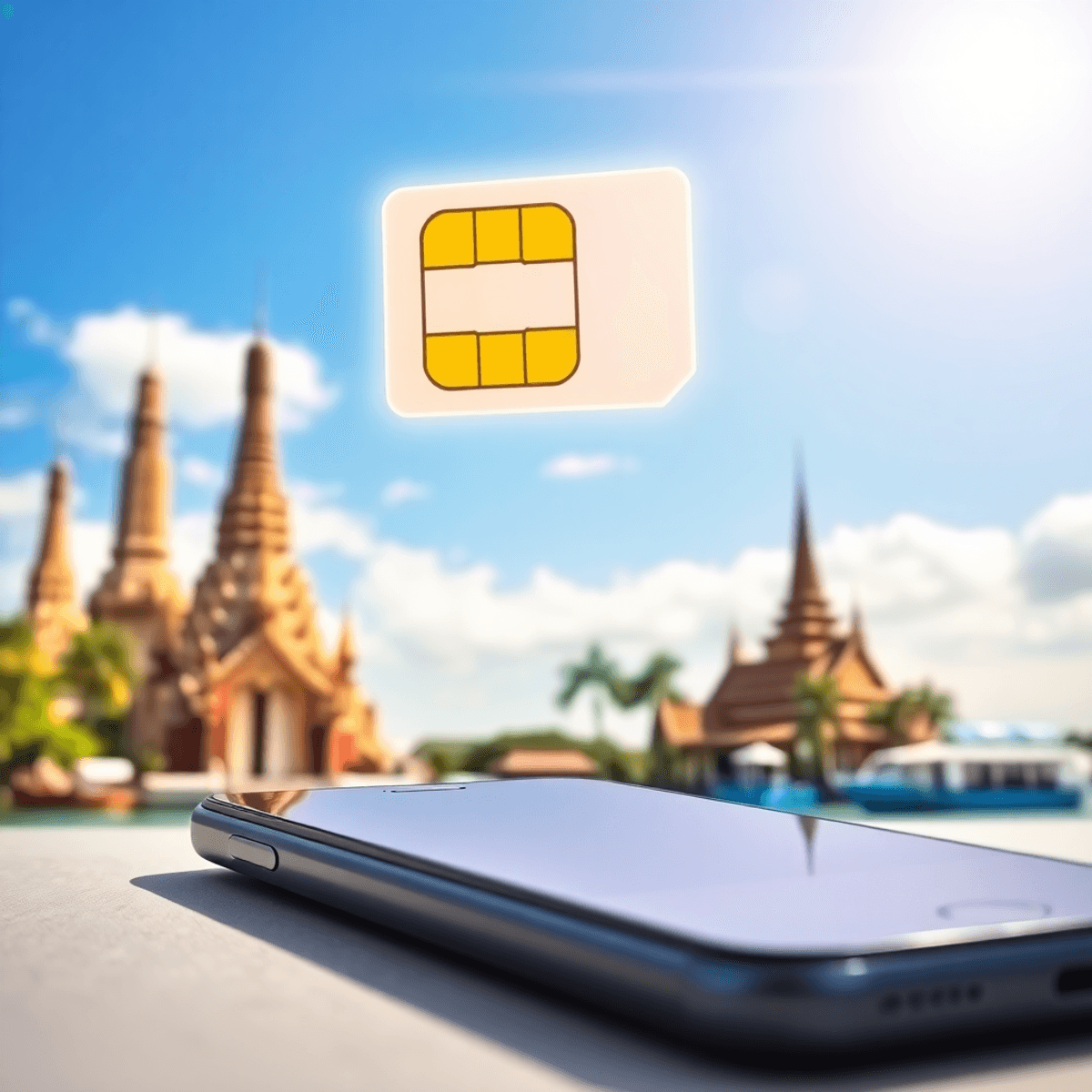
Imagine this: you’ve just arrived in lively Bangkok, surrounded by the sounds of tuk-tuks and street food stalls, but your phone screen stubbornly says “No Service.” For a European tourist in Asia—especially one traveling between Thailand and Vietnam—this is a nightmare. Staying connected isn’t just about posting on Instagram; it’s crucial for getting around, translating languages, contacting emergency services, and discovering hidden gems.
Here comes the hero of our story: the Thai SIM card. Buying a Thailand SIM card online before you arrive changes your travel experience from frantic searches for SIM cards at the airport to smooth connectivity right from the moment you land. Picture stepping off the plane and immediately being able to call your hotel, book a ride, or share your first selfie without any hassle.
Why deal with confusing lines at the airport or expensive roaming charges when you can:
- Get a Thailand tourist SIM in advance.
- Avoid the infamous “hackedWhatUpThailandSIMcard” saga that careless travelers fear.
- Enjoy data and calls at local rates designed for savvy travelers like you.
Whether you're a European tourist in Vietnam planning to cross over or diving straight into Thailand’s bustling cities, buying your SIM card online is like having a secret weapon in your travel arsenal.
Once you're connected, you'll have access to all of Bangkok's delicious food options. From street food stalls serving mouthwatering dishes to upscale restaurants offering fine dining experiences, there's a culinary adventure waiting at every corner.
And while you're exploring these tasty delights, don't forget to check out some of Bangkok's hidden treasures like the City Pillar Shrine or immerse yourself in Thailand's biggest food and culture festival for an authentic experience of local life. If you're seeking peace amidst the city's hustle and bustle, a visit to Ba Sak Chon Lassin could be just what you need.
📱 Why Buy a Thailand SIM Card?
Imagine this: You've just arrived in Thailand, excited to explore vibrant markets, beautiful beaches, and delicious street food. But wait—how can you avoid being cut off from the digital world without internet access or a way to call for help if your tuk-tuk takes an unexpected turn? That's where the Thailand SIM card comes in handy, ensuring smooth communication throughout your trip.
Benefits of Having a Local Thailand Prepaid SIM
1. Local Rates for Data, Calls, and Texts
Roaming charges? They’re like those shady vendors trying to sell you overpriced souvenirs. Grabbing a local SIM means dialing down the costs dramatically. Whether it’s scrolling through maps or texting new friends you made over spicy papaya salad, local rates make sure your wallet doesn’t cry.
2. Avoiding the International Roaming Trap
International roaming fees are the sneaky villains here—one wrong move and your phone bill becomes a thriller with no happy ending. A sim card in Thailand for foreigners is designed to dodge these traps by giving access to affordable data packages without surprise charges lurking around the corner.
3. Reliable Connectivity Beyond Hotel Wi-Fi
Relying on hotel or café Wi-Fi can be as frustrating as finding a needle in a haystack—signal drops, slow speeds, and sometimes mysterious "password please" signs that never unlock. With your own Thailand SIM card, enjoy consistent connectivity wherever you roam—from Bangkok’s skyscrapers to Chiang Mai’s mountains.
4. Flexibility Tailored for Short-Term Travelers
Prepaid plans are the chameleons of mobile services. No long-term contracts, no credit checks—just buy, activate, and roam freely. Perfect if your trip lasts days or weeks; you decide how much data or call time fits your adventure style.
📡 Overview of Mobile Network Providers in Thailand
When you arrive in Bangkok, you'll have your phone ready to explore Thailand with either an AIS Thailand SIM or a dtac eSIM Thailand that you downloaded online. But which network should you choose? Finding the best mobile network in Thailand for tourists is similar to searching for the ideal Thai street food stall — it all depends on where you're going and what you desire.
The Big Three: AIS, dtac, TrueMove H
- AIS (Advanced Info Service): The long-standing champion known for wide coverage. If you're planning to visit less popular areas like northern hill tribes or southern islands, AIS usually has the upper hand when it comes to signal strength and dependability.
- dtac (Total Access Communication): The vibrant contender offers competitive pricing and user-friendly packages. dtac eSIM Thailand options cater to tech-savvy travelers who prefer instant download and activation. Their 4G and 5G networks cover most tourist hotspots with solid speed.
- TrueMove H: A favorite among urban explorers and digital nomads. TrueMove H SIM cards come with perks like bundled Wi-Fi hotspot access and international call credits, making it a contender for best mobile network in Thailand for tourists seeking connectivity with style.
Coverage & Quality Across Tourist Hotspots
Bangkok & Major Cities
5G availability is widespread, enabling lightning-fast browsing, video calls that don’t freeze mid-gossip, and streaming your favorite detective documentaries on the go. For more insights into navigating Bangkok's mass transit system while staying connected, check out this guide.
Islands & Coastal Areas
Coverage can be patchy but AIS often edges out competitors with stronger signals in more remote beach towns. If you're planning a day at one of Thailand's popular beachside destinations, this article might be helpful.
Northern Highlands & Rural Zones
AIS again leads thanks to extensive tower infrastructure; dtac and TrueMove H provide decent yet sometimes spotty service.
💳 Types of SIM Cards Available for Tourists in Thailand
Thailand’s mobile market offers a variety of SIM card options tailored to the needs of tourists. Whether you’re the “I-like-talking” type or the “data-is-my-life” type, there’s a Thai SIM card just waiting for you.
Traditional Physical Prepaid SIM Cards
These are the classic, pocket-sized data wizards that have served travelers well for years. You can grab them literally everywhere:
- Where to buy: Airports (hello, welcome-to-Thailand kiosks), convenience stores like 7-Eleven or FamilyMart, and mobile network operator shops.
- Thailand tourist SIM card price: Generally starts around 49 to 150 Baht (~£1.20 - £3.50), depending on data allowance and validity period.
- Packages: Options range from small data bundles perfect for light users to generous plans offering unlimited data for up to 15 days.
- Activation: Usually instant or within minutes once inserted into your phone; some require you to register with a passport at the point of sale.
Pros: Easy to find upon arrival, physical card means no compatibility issues, often comes with voice + data options.
Cons: Requires physical swap of SIM cards (unless you have a dual SIM phone), risk of losing the tiny SIM card.
eSIM Options
The digital era calls for digital solutions. Enter eSIMs: embedded SIM technology letting you skip the plastic and jump straight into connectivity nirvana.
- Device compatibility: Most newer iPhones (XS and later), Google Pixels (3 and later), and select Samsung Galaxy models support eSIMs.
- How to buy: Purchase online before your trip from reputable providers specializing in Thai tourist eSIMs.
- Activation process: Receive a QR code via email; scan it using your phone’s settings to install the eSIM profile instantly—no airport queues required.
Data-only vs. Voice + Data Packages
Tourists face a choice akin to deciding between Pad Thai or Green Curry — both delicious but suited to different cravings.
| Package Type | Pros | Cons |
|---|---|---|
| Data-only | Cheaper, ideal if you use apps like WhatsApp, Skype, or Line for calls | No traditional voice calls or SMS without internet |
| Voice + Data | Allows regular calls and texts; good for those who want a local number with full functionality | Slightly higher cost; may include unused voice minutes |
If you’re planning to call hotels, taxis, or new friends locally without relying on apps, voice + data packages shine bright. For purely internet-based communication — social media scrolling included — data-only plans provide wallet-friendly access.
🛒 How to Buy a Thai SIM Card Online Before Travel
Whether you’re a digital nomad, a holiday sleuth, or just someone who wants to avoid the dreaded airport queue, this guide will help you buy a Thailand SIM card online.
Step-by-Step Guide to Purchasing Your Thai SIM or eSIM Online
- Choose Your Option: Physical SIM cards are delivered by mail or picked up at the airport. eSIMs are virtual and can be directly uploaded onto your phone without the need for a physical card.
- Select Your Provider and Package: Visit trusted websites or official carrier portals (AIS, dtac, TrueMove H) that offer tourist packages.
- Provide Your Information: Have your passport ready. According to Thai law, SIM registration must be linked to your passport number.
- Complete the Registration Process: Upload a scanned copy or photo of your passport. Fill in your personal details accurately.
- Make Payment and Wait for Confirmation: Pay securely using credit card, PayPal, or other online payment methods.
- Receive Your SIM or eSIM: Physical SIM cards can be shipped to your home or collected at airports. eSIM profiles will be sent instantly via email.
Documents Required & Registration Explained
The Thai government takes telecom security seriously—passport info is mandatory for registration both online and in person. This helps prevent fraud and keeps the network safe for all users.
- During the online purchase, you will need to submit a scan or photo of your passport.
- Some platforms may also require a selfie of you holding the passport page for identity verification purposes.
- Rest assured that all registration data will be encrypted and handled according to strict privacy policies.
Benefits of Pre-Purchasing Your Thai SIM Card Online
- Skip the Airport Queue: No need to search through crowds after a long flight.
- Activate on Arrival: Especially with an eSIM, you can simply land, scan, and start using the internet.
- Peace of Mind: Knowing that your connectivity is sorted out before you arrive.
- Easier Comparison of Deals: Online platforms allow you to compare multiple offers side-by-side.
🚀 Activating Your Thai SIM or eSIM Upon Arrival ("Land, Activate, Go")
Physical SIM Cards: The Classic Move
- Pop it in: Find your device's SIM tray. Use the tiny ejector tool or a paperclip to open it.
- Insert your new Thai SIM card carefully.
- Power up your phone. The magic begins as your device senses the new network.
- Register your SIM: Most providers require registration for legal reasons. You can register at airport kiosks or via self-registration apps by entering your passport details.
- Wait for confirmation SMS that usually arrives within minutes, signaling that you're officially connected.
Activating an eSIM: The Modern Sleuth's Choice
- After purchase online, you'll receive an email with a QR code.
- On arrival, unlock your device and scan the QR code. For iOS, go to Settings > Cellular > Add Cellular Plan > Scan QR code. For Android, go to Settings > Network & internet > Mobile network > Advanced > Carrier > Add carrier (scan QR code).
- Follow on-screen steps to confirm installation.
- Select the new plan as active for data and calls.
Troubleshooting Common Activation Issues
- No signal after insertion? Restart your phone, double-check SIM placement, and ensure airplane mode is off.
- QR code won't scan? Try increasing screen brightness or zooming in on the QR code image on another device.
- Registration stuck or errors? Verify you entered passport details exactly as in your travel document; typos are sneaky culprits.
- Activation SMS delayed? Wait patiently up to 30 minutes—sometimes networks play hard to get.
💰 Popular Tourist Packages and Pricing Overview
When searching for the best SIM card for Thailand tourists, price tags and data offers tend to steal the show.
Price Ranges: From Pocket Change to Premium Plans
1. Budget-friendly options:
Expect to pay around 50 to 150 Baht (roughly £1.20 to £3.50). These usually include limited data, a few call minutes, and text messages — perfect for casual travelers.
2. Premium unlimited data plans:
For those who can't live without streaming, video calls, or uploading their entire trip in real-time, prices range from about £6.5 up to £20. These packages often come with unlimited 4G/5G data and additional perks like free Wi-Fi hotspot access.
What About dtac eSIM Thailand Price?
The dtac eSIM option is gaining traction among savvy travelers who prefer digital convenience. Prices are competitive:
- Starting as low as 100 Baht for basic plans.
- Premium packages topping around 600 Baht (£15) for unlimited data plus added benefits.
Purchasing a dtac eSIM Thailand price package online before arrival means skipping queues and landing ready-to-go — truly a modern-day detective’s dream move.
🛡️ Practical Tips for Using Your Thai SIM Card as a Foreigner or Tourist
Passport Requirement and Legal Regulations
Thailand has strict rules regarding SIM card registration. When buying or pre-registering your Thai SIM card for tourists, you must present your passport. This legal requirement aims to prevent misuse and maintain order.
- Always carry your passport when buying from airports, convenience stores, or official outlets.
- For online purchases, you'll need to upload a scan of your passport during registration.
- The registration process links the SIM card to your identity, eliminating any chance of anonymous usage.
Managing Data Usage & Staying Safe from Digital Threats
Data consumption can quickly become an unexpected expense if not monitored properly. Additionally, stay vigilant against potential dangers such as hacked mobile applications and WhatsApp scams—these threats are unfortunately common among travelers heavily relying on mobile communication while abroad.
To protect yourself:
- Avoid downloading unknown apps while connected through your Thai SIM.
- Use VPN services whenever accessing sensitive accounts.
- Set up two-factor authentication on WhatsApp and other messaging applications before leaving home.
🌏 Additional Considerations When Traveling Between Vietnam & Thailand
Imagine this: you’ve just arrived in Vietnam, still using your Thailand SIM card for your adventures, but suddenly—no signal. The mystery of the vanishing signal strikes again. Here’s the inside scoop on why your Thai SIM card in Vietnam might not work and what you can do about it.
Limitations of Using a Thai SIM Card Outside Thailand
- Roaming Restrictions: Most Thailand SIM cards for tourists are primarily intended for use within Thailand. While there is roaming coverage, it may be unreliable or extremely expensive.
- Compatibility Issues: Vietnam and Thailand have different mobile frequencies and network technologies. Your Vietnam Thai SIM card compatibility may not be guaranteed.
- Data Speed & Costs: Roaming data speeds are usually much slower compared to local networks, and prices can be very high.
Alternatives: Roaming vs. Local Vietnamese SIM Cards
- Roaming Services: Some service providers offer roaming packages that you can add to your Thai SIM card. This option is convenient but can be expensive.
- Buy Local Vietnamese SIM: Getting a local SIM card as soon as you arrive in Vietnam is usually cheaper and faster, with better connectivity.
- Dual SIM Phones: If your phone supports dual SIM cards, you can keep your Thai SIM active for calls and texts from Thailand while using a Vietnamese SIM for faster data speeds.
Handy Advice for European Tourists Hopping Between Asia’s Hotspots
- Before purchasing any Thailand data SIM card, check if it offers affordable roaming options specifically designed for Southeast Asia travelers.
- If you plan to visit multiple countries, consider getting an international eSIM or a multi-country travel SIM that covers both Vietnam and Thailand.
- Remember to always carry your passport when buying a new local SIM; registration is required by law in both countries.
Conclusion
Packing your bags? Don't forget to buy Thai SIM card online convenience into your travel checklist. Snagging an eSIM or physical prepaid SIM before touchdown means you skip the hassle, dodge the queues, and jump straight into the digital fast lane.
Embracing the Thailand eSIM benefits lets you switch networks without swapping cards—perfect for jet-setters who crave seamless connectivity. Whether you're streaming street food videos or navigating Bangkok's bustling markets, having a reliable Thai SIM card is your passport to staying connected.
Keep these golden rules in mind for a smooth ride:
- Order ahead — secure your SIM or eSIM before departure.
- Register properly — passport details are your ticket to activation.
- Guard your data — watch out for sneaky hacks like WhatsApp exploits lurking in foreign Wi-Fi shadows.
- Choose wisely — pick plans that fit your itinerary and usage style.
Stay savvy, stay connected, and let your phone be the Watson to your Thailand adventure Sherlock.
FAQs (Frequently Asked Questions)
Why should I buy a Thailand SIM card before traveling to Thailand?
Purchasing a Thailand SIM card online before your arrival offers convenience and immediate connectivity. It helps you avoid airport queues, ensures reliable data and call services at local rates, and saves you from expensive international roaming fees.
What are the main mobile network providers for tourists in Thailand?
The primary mobile network providers catering to tourists in Thailand are AIS, dtac, and TrueMove H. They offer extensive coverage across popular tourist destinations with 3G, 4G, and 5G networks, along with unlimited data plans suitable for travelers.
What types of SIM cards are available for tourists visiting Thailand?
Tourists can choose between traditional physical prepaid SIM cards available at airports and convenience stores or eSIM options that can be purchased online before travel. Packages include data-only or voice plus data plans, each with distinct advantages depending on your communication needs.
How do I activate my Thai SIM or eSIM upon arrival in Thailand?
Physical SIM cards can be inserted and registered at arrival points or via provider apps/websites. For eSIMs, activation is done through scanning a QR code sent by email. Detailed step-by-step instructions are provided for both iOS and Android devices to ensure smooth activation.
What are the typical prices and packages for Thailand tourist SIM cards?
Thailand tourist SIM card prices range from budget-friendly options costing around 50-150 Baht to premium unlimited data plans priced between £6.5 to £20. Packages vary from unlimited data plans to those offering limited data combined with free calls or Wi-Fi hotspot access, some including international call credits.
Can I use a Thai SIM card when traveling between Thailand and Vietnam?
Thai SIM cards generally have limitations outside Thailand, including Vietnam. For seamless connectivity while traveling between these countries, consider using roaming services or purchasing separate local Vietnamese SIM cards. This advice is especially useful for European tourists exploring multiple Asian countries.


Comments
Post a Comment