Residential and Hotel Elevator Trauma: What It Really Takes in China Hong Kong and Guangzhou Liwan lake park
Verified & Updated for 2026 · Fact-Checked Home Elevator Guide
🏠 Residential & Hotel Elevator Trauma: What It Really Takes in China, Hong Kong & Guangzhou
The complete 2026 guide to home elevator installation — from traction, hydraulic, shaftless and vacuum systems to costs, safety, and choosing the right service company in Miami, USA.
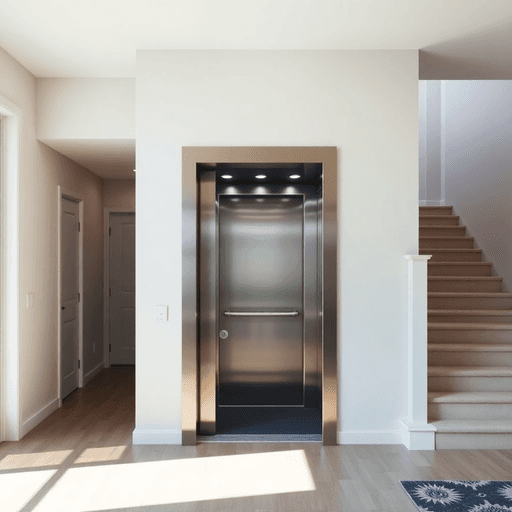
Residential elevator installation has evolved from a luxury feature to a practical necessity in many modern homes. As populations age and lifestyles demand greater convenience, domestic lifts for houses offer more than just mobility assistance—they enhance day-to-day living and add tangible value to properties. Whether navigating multiple floors with ease or creating an accessible environment for family members with limited mobility, a home elevator transforms how residents interact with their space.
Why Consider a Home Elevator?
♿ Mobility Assistance
Supports elderly residents or those with disabilities by providing safe, reliable vertical transportation.
📦 Convenience
Eliminates the strain of stairs when carrying groceries, luggage, or moving furniture.
📈 Increased Home Value
Real estate experts estimate that installing a residential elevator can boost property value by 10% to 25%, appealing to future buyers and expanding marketability.
Living between Hong Kong's China administration region and Guangzhou exposed me to persistent challenges related to poor air quality—a factor that heavily influenced lifestyle decisions. The smog and haze often obscured cityscapes, making daily outdoor activities less enjoyable. This experience shaped my preference for Miami, USA, where cleaner air and open spaces create a healthier environment. Choosing Miami also meant adapting the home to meet accessibility needs through efficient elevator solutions tailored to local conditions.
In addition to installing a home elevator, enhancing indoor air quality is another important aspect of creating a comfortable living environment. This can be achieved by unlocking the potential of smart air systems which not only improve air quality but also provide convenience through automation.
This article aims to navigate you through the essentials of home elevator installation, from understanding different types of elevators to the detailed steps involved in bringing one into your residence. Highlighting critical considerations such as design customization, regulatory compliance, installation procedures, and maintenance requirements, this guide supports informed decisions when engaging with elevator services. Whether you're exploring options with an elevator company or budgeting for home elevator price estimates, the insights here will prepare you for every stage—from initial planning to ongoing elevator maintenance and repair.
🔧 Understanding Residential Elevators
Choosing the right domestic lift starts with understanding the main home elevator types available on the market. Each type offers distinct advantages and design implications, influencing not only installation logistics but also long-term functionality and costs.
🪢 Traction Elevators
Traction elevators operate with steel ropes or belts connected to a counterweight system, which balances the cab's weight. Known for their smooth, quiet operation and energy efficiency, traction elevators are increasingly popular in upscale homes.
Key Features of Traction Elevators
- Installation needs: Usually require a hoistway shaft and overhead machine room or a machine-room-less (MRL) design that fits within the shaft.
- Cost impact: Tend to be more expensive upfront due to complex mechanics but offer lower energy bills over time.
- Space requirements: Need vertical space above the shaft for pulley systems or machinery if not MRL.
💧 Hydraulic Elevators
Hydraulic elevators rely on a hydraulic ram to move the cab up and down. This system is generally simpler and less expensive than traction options but requires a dedicated machine room near the hoistway.
Key Features of Hydraulic Elevators
- Installation needs: Require pit depth below the lowest landing for the cylinder; suitable for low-rise homes (usually up to 3 floors).
- Cost impact: Lower initial cost but higher energy consumption during operation.
- Space considerations: More flexible in retrofit situations where overhead space is limited.
🔄 Modern Alternatives: Shaftless and Vacuum Elevators
Innovations in residential elevator technology have introduced space-saving models ideal for compact homes or renovations where building a traditional shaft is impractical.
Key Features of Shaftless Elevators
- Use a self-supporting frame that eliminates the need for a full hoistway.
- Can be installed in tight spaces such as stairwells or closets.
- Easier and quicker installation reduces labor costs.
Key Features of Vacuum Elevators
- Operate using air pressure differences without cables or pulleys.
- Require minimal structural modifications and no pit or machine room.
- Sleek, modern aesthetic appealing for contemporary interiors.
Impact on Installation Requirements and Costs
Selecting between these elevator types influences several key factors:
- Structural modifications: Traction systems may demand reinforced ceilings; hydraulic lifts call for pit excavation.
- Permits and regulations: Different lifting mechanisms fall under varying local codes, affecting approval timelines.
- Customization options: Traction elevators often allow more elaborate cabin designs due to their smoother ride.
- Maintenance expenses: Hydraulic units might incur higher upkeep due to fluid management; vacuum models tend toward simplicity.
Residential elevator companies typically guide homeowners through these choices by assessing home layout, budget constraints, and mobility needs. Understanding distinctions between personal elevator options ensures a tailored solution that enhances accessibility without compromising style or space.
In addition to enhancing mobility, incorporating smart home technologies can further elevate your living experience. For instance, smart table lamps can provide adjustable lighting solutions that cater to your specific needs while also adding a touch of modernity to your home decor. Furthermore, integrating aromatherapy into your living space can significantly improve your overall well-being by creating a calming environment. This can be easily achieved through smart home devices.
📐 Pre-Installation Assessment and Design Considerations
Installing a residential elevator begins long before the first bolt is tightened. The foundation for a smooth lift installation lies in meticulous planning focused on structural feasibility and design harmony with your home.
🏗️ Structural Feasibility: The Backbone of Installation
Homes vary dramatically in their ability to support added weight. Consulting with structural engineers or elevator inspection professionals is essential to verify that floors, walls, and ceilings can handle the elevator's static and dynamic loads.
Older buildings or those with unconventional layouts may require floor strengthening or ceiling modifications. These adjustments impact both personal elevator cost and installation timelines.
Ensuring compliance with local building codes prevents costly delays during inspections and guarantees safe operation.
📏 Space Requirements and Location Options
- Typical footprint for a residential elevator shaft runs about 10 by 15 feet, but this varies by model and home layout.
- Utilizing existing closets stacked vertically can cleverly conceal the elevator without sacrificing living space.
- Placing the lift adjacent to staircases takes advantage of often underutilized areas, easing installation challenges.
- Larger open spaces offer flexibility but may require additional aesthetic integration to blend seamlessly.
Evaluating available space early shapes the lift installation cost by minimizing structural modifications and optimizing cab dimensions.
⚡ Electrical and Communication Setup
Elevators rely on precise electrical configurations:
- GFI receptacles are mandatory to reduce electrical hazards in damp or enclosed spaces.
- Adequate lighting with switches and bulb guards ensures safe entry and exit from the cab. Exploring options like smart lamps could enhance safety and ambiance.
- An active telephone line or modern communication system must be integrated into the elevator for emergency contact capabilities.
Coordination with electricians familiar with home elevator service requirements helps avoid costly rewiring during installation.
📋 Regulatory Compliance: Permits and Safety Codes
Navigating local regulations requires attention to:
- Permit acquisition based on municipality-specific standards.
- Door and gate spacing adhering to safety codes prevents entrapment risks.
- Fire safety clearances around shafts, especially in multi-story homes, must be respected.
Engaging experienced home elevator repair or maintenance companies during this phase aids in understanding jurisdictional nuances prior to installation commencement.
🎨 Customizing Elevator Cab Design
Elevator cabs transform functional equipment into an extension of your living space:
- Materials range from warm wood paneling to sleek glass or stainless steel finishes tailored to taste. Incorporating elements that resonate with your home's overall style can create a seamless transition between spaces.
- Lighting inside the cab can set ambiance while improving visibility; this is where smart lamps could be beneficial as they adjust according to atmosphere needs.
- Control panels positioned ergonomically enhance usability for all family members, including those needing mobility assistance.
Personal preferences influence not only aesthetics but also long-term satisfaction with your investment. It's crucial to consider how these choices will affect the overall atmosphere of your home. For instance, if you're looking for ways to get rid of bad odors in your living space, selecting materials that are easy to clean and maintain can contribute to a fresher environment.
🔨 Installation Process Explained
Residential elevator installation demands meticulous site preparation and skilled workmanship to ensure safety, functionality, and compliance with codes. The process typically unfolds as follows:
🏗️ Site Preparation and Structural Modifications
- Floor Strengthening: Many homes require reinforcement of floors to bear the additional load imposed by the elevator system. This may involve adding steel beams or concrete slabs beneath the elevator footprint.
- Ceiling Adjustments: Ceiling heights sometimes need modification to accommodate hoistways or overhead machinery, especially for traction elevators that require overhead clearance.
- Hoistway Construction: If not pre-existing, constructing or finishing the hoistway is essential. This includes framing walls, installing fire-rated materials, and ensuring airtightness for noise reduction.
- Electrical Provisioning: Pre-installation electrical work is critical—installing dedicated circuits, grounding systems, GFI outlets, lighting fixtures inside the shaft and cab, and emergency communication lines.
👷 Assembly by Certified Elevator Installers and Repairers
Certified elevator technicians from a reputable elevator service company handle component assembly with precision:
- Installing Guide Rails: Vertical guide rails align the cab's movement smoothly within the hoistway.
- Cab Assembly: The elevator cab—customized per design choices—is assembled on-site or delivered preassembled depending on size and complexity.
- Mechanical Systems Setup: For hydraulic elevators, pumps and reservoirs are installed in designated machine rooms or adjacent spaces. Traction elevators require motor installation at the top of the shaft or in a separate machine room.
- Wiring and Controls: Electrical wiring connects control panels, safety devices (door interlocks, emergency brakes), lighting systems, and call buttons throughout the home.
- Testing and Calibration: After assembly, rigorous testing ensures smooth operation, load capacity adherence, and emergency system effectiveness.
⏱️ Installation Timeline
Most residential elevator installations range between 2 to 3 days. The actual duration depends on several key factors including elevator type, home layout complexity, and the extent of required structural modifications. Hydraulic models may take longer due to plumbing setup requirements, while homes with complex layouts naturally extend the timeline. Smaller footprint lifts like through the floor lifts often shorten installation time since they require minimal shaft construction.
✅ Professional Installation Importance
Engaging professional installers offers multiple benefits:
- Guarantees compliance with local building codes and safety regulations.
- Reduces risk of operational malfunction or safety hazards.
- Ensures warranty validity offered by manufacturers.
- Provides peace of mind through certified craftsmanship backed by experience in home elevator installation projects.
Choosing a trusted elevator service company familiar with regional requirements will streamline approval processes for permits and inspections while optimizing lift installation cost relative to quality standards.
In addition to these factors, it's also worth considering how enhancing your home's environment can positively impact your overall experience with your new residential elevator. For example, incorporating aromatherapy into your home could create a calming atmosphere during the transition period of installation. Utilizing essential oil diffusers can further enhance this experience by providing a steady supply of your favorite scents.
Moreover, maintaining air quality is crucial during such installations due to dust and debris. Therefore, employing smart air filters can help purify the air in your home while minimizing allergens and pollutants.
🛠️ Post-Installation Maintenance, Safety Guidelines, and Cost Breakdown
🔄 Essential Elevator Maintenance Services
Maintaining a residential elevator goes beyond occasional cleaning. Regular lift maintenance is crucial to ensure smooth operation and extend the lifespan of your investment. Key maintenance routines include:
Lubrication of Moving Parts
Bearings, rails, and cables require periodic lubrication to reduce friction and wear.
Software Updates
Modern elevators often have computerized control systems that benefit from software improvements for enhanced safety and efficiency.
Inspection of Mechanical Components
Checking brakes, door sensors, and emergency systems helps detect early signs of malfunction.
Scheduling periodic visits from professional lift maintenance companies or home elevator service providers guarantees these tasks are performed with expertise. Certified technicians can spot potential issues before they escalate into costly repairs.
🔍 Professional Inspections for Safety Compliance
Regular professional inspections are not just advisable but often mandated by local regulations. These inspections confirm:
- Adherence to safety codes related to door clearance, emergency communication systems, and load capacities.
- Reliability of electrical wiring and power supply connections.
- Proper functioning of emergency brakes and backup power features.
Many residential elevator repair specialists offer comprehensive inspection packages tailored for ongoing safety compliance. This proactive approach reduces downtime and reassures homeowners about their family's well-being.
🚨 User Safety Guidelines
Operating a home elevator safely depends on understanding essential precautions:
- Do not overload the cab beyond the manufacturer's specified weight limit.
- Keep hands, feet, and clothing clear of doors while closing.
- Avoid abrupt movements; enter and exit carefully.
- Ensure children are supervised when using the elevator.
- Report unusual noises or jerky motions immediately to your service provider.
Adhering to these guidelines minimizes accidents and maintains operational effectiveness over time.
💰 Home Elevator Price & Lift Installation Cost Breakdown
The personal elevator cost varies widely depending on multiple factors:
| Cost Factor | Impact on Price |
|---|---|
| Type of elevator (traction vs hydraulic) | Traction models generally cost more upfront but are energy-efficient; hydraulic elevators may require additional space for machine rooms |
| Number of floors served | More floors increase complexity and materials needed |
| Customization level | Premium finishes, glass walls, or bespoke designs raise costs |
| Structural modifications | Reinforcement or alteration of existing architecture adds labor expenses |
Typical home elevator prices start around $30,000, extending up to $113,000 for highly customized or multi-floor systems. Lift installation cost includes not only the unit itself but also preparatory work like electrical upgrades and construction adjustments.
Selecting reputable lift maintenance services ensures your investment continues to operate flawlessly without unexpected repair bills. Regular upkeep paired with knowledgeable user habits creates a safe environment while protecting the long-term value added by your residential elevator.
In addition to traditional maintenance practices, incorporating smart technology into your home can enhance both convenience and energy efficiency. For instance, smart table lamps are an excellent example of how modern technology can improve our living spaces.
📍 Choosing the Right Elevator Service Company in Miami, USA
Selecting the right elevator company in Miami, USA means more than just finding a service provider. Local expertise plays a critical role, especially when dealing with residential elevators. Miami's unique climate, building codes, and architectural styles require companies that understand both the technical and regulatory landscape.
🌴 Why Local Experience Matters
- Familiarity with Miami Building Codes: Residential elevator companies in Miami must comply with specific municipal regulations and safety standards. These can differ significantly from other states or regions. An experienced local company ensures that all permits, inspections, and installations meet these requirements without unnecessary delays.
- Climate-Specific Considerations: Miami's humid subtropical climate impacts materials and maintenance schedules differently than drier or colder regions. Elevator repair companies familiar with local conditions can anticipate corrosion issues or electrical sensitivities that might affect the longevity of your system.
- Knowledge of Property Types: Whether it's a high-rise condo in downtown Miami or a sprawling single-family home in Coral Gables, elevator service companies that operate locally understand the structural nuances and aesthetic preferences common to Miami residences.
⭐ Evaluating Service Quality
Researching potential residential elevator service providers involves more than just price comparison:
- Customer Reviews and Testimonials: Platforms such as Google, Yelp, and specialized home improvement forums offer insights into customer satisfaction. Look for feedback mentioning punctuality, professionalism, communication clarity, and problem-solving effectiveness.
- Certifications and Licensing: Verify that elevator repair companies hold valid licenses for operating in Florida. Certifications from industry bodies like the National Association of Elevator Contractors (NAEC) or similar organizations demonstrate commitment to quality standards.
- Range of Services Offered: From installation to routine maintenance and emergency elevator repair service, comprehensive offerings indicate an established business capable of supporting your elevator throughout its lifespan.
"We chose a local residential elevator company in Miami after reading dozens of reviews highlighting their fast response times during repairs—essential given the summer heat," shares a homeowner from Coconut Grove.
❓ Key Questions to Ask Potential Providers
- Are you licensed and insured for residential elevator installation and repair in Miami-Dade County?
- How familiar are you with city-specific building codes related to elevators?
- What is your typical response time for emergency repairs?
- Can you provide references from recent residential projects completed locally?
- Do you offer maintenance contracts tailored to Miami's climate challenges?
Finding an elevator company in Miami, USA that combines technical skill with local knowledge ensures smoother installation processes, timely support when needed, and peace of mind knowing your investment is protected by experts who understand your environment intimately.
These factors build the foundation for a long-lasting relationship between homeowner and service provider—a crucial element when integrating complex systems like residential elevators into your living space.
Moreover, it's essential to consider how these services can be maximized for efficiency and functionality. For instance, choosing and maximizing benefits of these installations can significantly enhance your living experience.
In addition to elevators, if you're also looking at enhancing your home environment further, exploring options such as integrating workspace enhancements or even considering tips for choosing reed diffusers could be beneficial.
🎯 Conclusion
Installing a residential elevator is a significant home improvement that offers numerous residential elevator benefits. These include enhanced mobility for all household members, greater convenience in daily life, and a notable increase in property value. Homeowners in Miami and similar areas stand to gain much from carefully selecting and installing domestic lifts for houses.
Key points to keep in mind when planning:
- Early Design Planning — Engage with designers and elevator specialists early to ensure the chosen model fits both your home's layout and style preferences.
- Permits and Compliance — Securing the necessary permits and adhering to local building codes prevents delays and guarantees safety standards are met.
- Professional Installation — Certified technicians provide expertise that ensures proper assembly, wiring, and functionality, reducing future maintenance issues.
- Ongoing Maintenance — Regular servicing preserves operational reliability and extends the lifespan of your elevator system.
Choosing the right elevator not only improves accessibility but also adds a distinct selling point if you decide to put your home on the market. Opting for elevator services that understand Miami's unique environmental and regulatory conditions will maximize your investment's return.
"A well-planned residential elevator installation transforms a house into a truly comfortable, accessible home."
Invest time in researching options, consulting experts, and considering long-term needs. The domestic lifts for houses advantages extend beyond convenience—they represent an upgrade in lifestyle quality that resonates throughout your living environment.
❓ FAQs (Frequently Asked Questions)
What are the main benefits of installing a residential elevator in my home?
Installing a residential elevator offers numerous benefits including enhanced mobility assistance for residents with limited mobility, increased convenience for moving between floors, and a significant boost in your home's overall value. Additionally, it can add a modern touch to your living space while improving accessibility.
What types of home elevators are available and how do they differ?
Residential elevators come in various types such as traction elevators, hydraulic elevators, shaftless elevators, and vacuum elevators. Traction and hydraulic systems differ mainly in their mechanics and installation requirements. Modern alternatives like shaftless and vacuum elevators are designed for space-saving solutions, making them ideal for homes with limited space. Each type impacts installation complexity and cost differently.
What should I consider during the pre-installation assessment for a home elevator?
Key considerations include assessing the structural feasibility of your home to support the elevator system, evaluating space requirements (typically around 10x15 feet), determining optimal elevator location such as stacked closets or beside stairs, ensuring electrical needs like GFI receptacles and lighting are met, complying with local regulations and safety codes including door spacing, and customizing the elevator cab design to match your home's aesthetics.
How long does the installation process take and why is professional installation important?
The typical installation timeline ranges from 2 to 3 days depending on the model complexity and specifics of your home. Professional installation by certified technicians is crucial for ensuring safety, regulatory compliance, correct assembly of components including wiring and power setup, and proper structural modifications if necessary. This guarantees reliable operation and longevity of your residential elevator.
What maintenance is required after installing a residential elevator?
Regular maintenance includes lubrication of mechanical components, software updates if applicable, and scheduling professional inspections to ensure safety compliance and operational reliability. Following user safety guidelines helps prevent accidents. Partnering with experienced lift maintenance companies ensures ongoing service quality and timely repairs when needed.
How do I choose the right elevator service company in Miami USA?
Selecting an experienced local elevator company familiar with Miami's building codes and environmental conditions is essential. Evaluate potential service providers based on customer reviews, certifications, range of services including installation, maintenance, and repair capabilities. A reputable company will guide you through planning permits, professional installation processes, and provide comprehensive post-installation support tailored to Miami homes.


Comments
Post a Comment