Interview with Florida Blogger, Miami relocation strategist — considering moving to Miami as a digital nomad
Escaping Da Nang: Why I’m Trading Vietnam for Miami’s Sunshine
Your step-by-step guide to starting fresh as a digital nomad blogger in the Sunshine State – with insider tips, hot spots, and secrets only seasoned creators know.
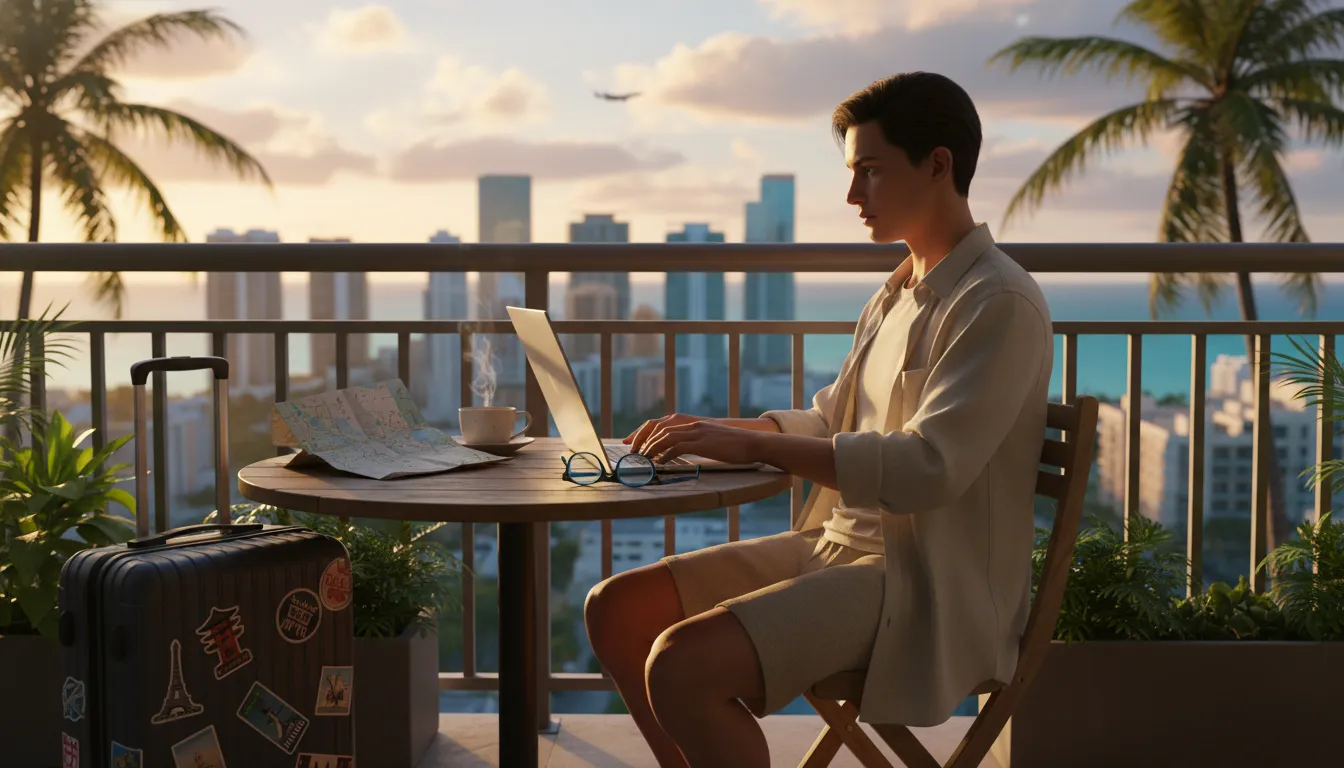
Feeling stuck abroad? Discover why I’m leaving the digital nomad life in Vietnam for the vibrant energy of Miami, USA. Ready to launch your own blogging career from the beaches of Florida? Here’s your step-by-step guide to starting fresh as a digital nomad in the Sunshine State – with insider tips, hot spots, and secrets only seasoned bloggers know.
Q: Who are you and why should someone considering moving to Miami listen to your advice?
A: I’m a Miami-based relocation strategist who helps remote workers, freelancers, and digital nomads move to South Florida. I advise on neighborhood fit, short- and long-term housing, local regulations, taxes, and setting up a lifestyle that supports online work. If you are considering moving to Miami, you need practical steps—neighborhood recommendations, realistic budgets, and a checklist for making the transition smooth. My guidance focuses on what matters most to remote creatives and bloggers: cost, connectivity, community, and opportunities to monetize local content.
Q: What makes Miami an attractive destination for a digital nomad blogger?
A: Miami offers a rare combination of warm climate year-round, strong international flight connections, a growing tech and startup ecosystem, and a vibrant cultural scene that feeds storytelling. You’ll find diverse neighborhoods and easy access to beaches, restaurants, events, and networking opportunities that are very useful for content creation. The city's multicultural mix also gives you varied local topics—food, real estate, nightlife, outdoor life, Latin American culture—that tend to perform well as blog content and social media stories.
Q: Which neighborhoods are best for digital nomads and why?
A: Neighborhood choice depends on priorities—budget, nightlife, calm, or industry connections. Here are practical options:
- South Beach (Miami Beach): For creators who want beachfront visuals, tourism-driven content, and an energetic scene. Walkable and great for lifestyle blogging, but costs and crowds are higher.
- Brickell: Downtown Miami’s financial district with luxury high-rises and coworking spaces. Ideal for a professional vibe and business networking events.
- Wynwood: Creative district with street art, galleries, and a strong local creative community. Perfect for visual artists and cultural writers producing edgy content.
- Coconut Grove: Tree-lined, quieter, good for families or nomads seeking a slower pace while staying close to downtown.
- North Bay Village / Edgewater: More affordable waterfront options with solid views and quick access to downtown. Good balance for moderate budgets.
- Little Havana: Culturally rich and highly photogenic, great for storytellers focusing on food, music, and Latin culture.
Choose a neighborhood that matches the content you want to create as well as your non-work lifestyle needs—sleep quality, grocery access, safety, and transit.
Q: What are realistic monthly budgets for a digital nomad starting out in Miami?
A: If you are considering moving to Miami, budgeting is critical. Below are sample monthly budgets (USD) for a single digital nomad in 2025/2026:
- Low budget (shared apartment or studio outside prime areas): $1,800–$2,800 — Rent $1,100–$1,700, groceries $300, utilities & internet $100–$200, coworking $100–$250, transport $50–$100, food & entertainment $200–$500.
- Mid-range (one-bedroom in Edgewater or North Beach): $3,000–$4,500 — Rent $1,800–$2,700, groceries $350, utilities & internet $150, coworking $150–$350, transport $100, dining & entertainment $450–$600.
- Premium (South Beach or Brickell one-bedroom): $5,000+ — Rent $3,000–$5,000, plus higher expenses for dining, fitness, parking, and services.
Note: Plan for seasonal cost fluctuations—winter months and major events increase prices and demand.
Q: How do housing and leases work for someone arriving from abroad?
A: Leases in Miami are standard but have local specifics:
- Lease lengths: Typical residential leases are 12 months. Short-term rentals (30–90 days) are available but more expensive.
- Requirements: Landlords often request proof of income, credit history, or a guarantor. International newcomers may provide bank statements, employment contracts, or pay several months’ rent upfront.
- Deposits and fees: Expect first month, last month, and a security deposit (usually one month). Some buildings charge application fees and require renter’s insurance.
- Furnished options: Furnished apartments and serviced rentals are common and useful for nomads who don’t want to ship furniture.
Recommendation: Line up 1–2 months of short-term housing while you search neighborhoods in person. Arrive with digital copies of financial documents and references to speed up rental applications.
Q: What paperwork and legal steps should international digital nomads know about?
A: Visa rules determine how long you can stay. Review the following:
- Visa and entry: Many foreign nationals enter the U.S. with a B-1/B-2 tourist visa or under the Visa Waiver Program for short stays. These do not permit long-term residency or formal work for a U.S. employer. Explore appropriate immigrant or nonimmigrant visas (work, investor, or family-based) for long-term plans.
- Establishing residency: To be considered a resident for local services, you may need to show an address, lease, or utility bills. For tax residency, rules are complex—consult a tax professional.
- Banking and SSN: Opening a U.S. bank account is easier with proof of address and ID. Nonresidents can open accounts in many banks but may need an Individual Taxpayer Identification Number (ITIN) if working with U.S.-based clients.
Bottom line: Document your income and consult an immigration attorney and accountant to avoid compliance issues.
Q: How do taxes work for digital nomads who move to Miami?
A: Taxes depend on residency and income source:
- State taxes: Florida has no state income tax, a major draw that simplifies state-level filings and increases take-home pay.
- Federal taxes: U.S. federal taxes still apply to U.S. citizens and residents. Foreign nationals' obligations depend on residency status and income source.
- Sales and business taxes: Florida has a sales tax. If you sell products or services locally, you may need to register for a business license.
- International tax treaties: Check tax treaties between the U.S. and your home country to avoid double taxation.
Tax planning should be part of your move checklist—especially if you plan to establish a U.S.-based LLC or invoice U.S. clients directly.
Q: What are the best coworking spaces, cafes, and neighborhoods for reliable Wi-Fi?
A: Connectivity is nonnegotiable. Dependable choices include:
- Coworking spaces: WeWork (Brickell, Downtown), Pipeline (Wynwood), The Lab Miami (Wynwood), and boutique spaces in Coconut Grove and South Beach.
- Cafes: Panther Coffee, All Day, and several spots in Wynwood and Coconut Grove. Avoid peak lunch hours for uninterrupted work.
- Home internet: Fiber and high-speed cable are widely available. Confirm upload speeds as well as download speeds for media uploads and live streaming.
Actionable tip: Schedule in-person tests of Wi-Fi in your short-term rental before signing a long-term lease.
Q: How should a blogger monetize local content after moving to Miami?
A: Combine these tactics for diverse revenue:
- Affiliate marketing: Use hotel, tour, and gear affiliate programs for travel-related posts.
- Sponsored content: Pitch Miami's active hospitality and lifestyle sector (hotels, restaurants, fitness studios) for sponsored posts and press trips.
- Local SEO and guides: Create optimized neighborhood guides and “where to eat” lists to attract high-intent searchers.
- Workshops and local events: Host paid meetups, photography walks, or blogging workshops in Brickell and Wynwood.
- Freelance writing: Offer local businesses content services like menu writing, local PR, and social media strategy.
Q: What practical steps should someone take during the first 30, 60, and 90 days after arrival?
A: Follow this phased approach:
- First 30 days: Secure short-term housing, activate a local SIM card, open a U.S. bank account, test Wi-Fi speeds, find reliable coworking spots, and register for local meetup groups.
- Days 31–60: Search for long-term housing (visit at different times), set up health insurance, start publishing Miami-focused content (1–2 neighborhood guides), and attend networking events.
- Days 61–90: Sign a long-term lease, register your business (LLC) if scaling, refine your content calendar based on analytics, and start outreach to local brands.
Q: What are the biggest pitfalls and surprises for people considering moving to Miami?
A: Be aware of common missteps:
- Underestimating costs: Rent, dining, and parking are high in desirable areas. Budget for initial setup costs.
- Seasonal crowding: Winter and event seasons draw heavy tourist crowds.
- Hurricane season: June to November requires preparedness. Learn evacuation routes and secure flood insurance.
- Poor neighborhood fit: Choose based on daily needs, not just Instagram aesthetics.
- Legal and tax oversights: Failing to address visa status and tax obligations can cause costly problems.
Q: What healthcare and insurance considerations should digital nomads know?
A: Healthcare in the U.S. is private and expensive without insurance:
- Short-term visitors: Purchase international health insurance or travel medical coverage including emergency evacuation.
- Long-term residents: Enroll in a domestic health insurance plan via private insurers or the ACA marketplace.
- Primary care: Identify a nearby clinic. Urgent care clinics are more economical than emergency rooms for non-life-threatening issues.
Q: How safe is Miami for solo digital nomads, and what neighborhoods should you avoid?
A: Miami has safe and less safe areas, like any major city:
- Stick to well-lit, populated areas at night and research neighborhood crime statistics.
- Expat-friendly neighborhoods like Coral Gables, Coconut Grove, Brickell, and parts of Miami Beach tend to have lower violent crime rates.
- Exercise caution in certain pockets of Overtown and parts of Liberty City unless you have local knowledge.
- Use common-sense precautions: secure doors, avoid displaying expensive equipment, and get renters insurance.
Q: Transportation — do you need a car?
A: It depends on your location:
- Island and beach areas: South Beach is highly walkable. Many residents live without a car, relying on bicycles, scooters, and ride-hailing.
- Downtown and Brickell: Walkable with good transit options, though parking is expensive.
- Suburban areas: A car is more practical for exploring the wider metro area.
- Public transit: Miami-Dade Transit, Metrorail, and free neighborhood trolleys exist, but ride-hailing fills many gaps.
Tip: Test a car-free week during an initial visit before committing to car ownership.
Q: Practical digital-nomad-specific checklist before departure
- Confirm visa/entry permissions and consult immigration counsel if needed.
- Collect digital copies of important documents: passport, bank statements, and references.
- Set up an international-friendly bank account and payment processors (Stripe, PayPal).
- Purchase international or U.S. health insurance.
- Book short-term housing for your first 30–60 days.
- Arrange a U.S. SIM or an international plan with robust data.
- Prepare a client communication plan for time-zone changes.
- Back up all content and ensure cloud access for large file workflows.
- Line up a virtual mailbox service for official mail.
- Create an initial content calendar focused on monetizable Miami niches.
Q: How should a blogger structure a content plan once settled?
A: Emphasize local SEO, visual stories, and repeatable formats:
- Evergreen guides: Neighborhood guides, moving checklists, cost of living comparisons.
- Local SEO pages: "Best coffee in Wynwood," "South Beach running routes." Optimize metadata and internal links.
- Weekly micro-content: Short video clips, Reels, and photo carousels showcasing restaurants and events.
- Seasonal content: Guides for Art Basel, Miami Swim Week, and peak tourist seasons.
Q: What local resources help new arrivals get settled?
- City websites: Miami-Dade County and City of Miami Beach pages for permits and community updates.
- Neighborhood associations: West Avenue, South of Fifth, and Coconut Grove associations.
- Meetup and Eventbrite: Find niche meetups for bloggers, photographers, and entrepreneurs.
- Local Facebook/Slack groups: Expat groups, digital nomad groups, and neighborhood buy-sell-trade pages.
Q: Common misconceptions about moving to Miami
- Miami is only party culture: The city has quiet residential neighborhoods, extensive parks, and family-friendly communities.
- Everything is expensive: Affordable options exist in outer neighborhoods and older apartment buildings.
- Language barrier: Spanish is widely spoken, but English is the primary language for business and most services.
- Work opportunities are limited: Miami’s tech, startup, and creative agency scenes are growing rapidly.
Q: Quick comparison — Miami vs other U.S. cities for digital nomads
- Cost of living: Similar to coastal U.S. cities—cheaper than parts of LA but pricier than Austin in prime neighborhoods.
- Climate: Warm year-round, ideal for year-round outdoor content creation.
- Tax environment: Florida’s lack of state income tax is a distinct advantage.
- International connections: Strong—Miami is a major hub for Latin America.
Q: Final practical recommendations for someone leaving Da Nang to move to Miami
- Book an exploratory flight and secure short-term housing for 30–60 days.
- Bring gear essentials: reliable laptop, portable SSD, travel adapter, and lightweight tripod.
- Line up conferences, meetups, or coworking trials to build a local network early.
- Open a U.S.-friendly payment setup and prepare rental application documents.
- Create a content plan emphasizing Miami niches: neighborhood guides, restaurant reviews, and seasonal events.
- Budget for at least three months of living expenses while testing monetization strategies.
- Consult an immigration attorney and tax advisor to clarify implications before changing residency.
Appendix — Quick Resources and Next Steps
- Short-term housing: Airbnb, Furnished Finder, and local vacation rental agencies.
- Coworking directories: Coworker.com and local spaces’ websites.
- Local government: Miami-Dade County official site for permits and services.
- Professionals: Search for immigration and tax advisors with cross-border experience.
- Community groups: Search Facebook and Meetup for "Miami digital nomads" and "Miami bloggers".
Summary
For anyone considering moving to Miami, the city offers a compelling mix of lifestyle, networking, and monetization opportunities for digital nomads and bloggers. Success depends on neighborhood selection, realistic budgeting, professional advice on legal and tax matters, and a content strategy tailored to local niches. Use a phased arrival plan, test connectivity and neighborhood fit, and prioritize health insurance and legal compliance. With preparation, Miami can be an excellent place to grow a location-independent life and business.


Comments
Post a Comment