Florida Geography 2026: North, Central & South Explained

Detailed map of Florida with three color-coded regions and natural elements: pine forests, hills and lakes, tropical wetlands, on an abstract global digital background.

Florida’s geography in 2026 presents a dynamic landscape shaped by diverse climates, ecosystems, and urban developments. This state, known for its extensive coastline and unique natural habitats, continues to evolve amid environmental changes and growing population demands. Understanding Florida’s geographic layout is essential for grasping its economic, cultural, and environmental significance.

Imagine viewing Florida geography on the laptop screen in Da Nang, Vietnam. From thousands of miles away, you can explore detailed maps and satellite imagery that reveal the state’s three main geographic regions: North Florida, Central Florida, and South Florida. Each region has distinct characteristics that influence everything from weather patterns to lifestyle choices.

Key points about Florida’s geography in 2026:

  • North Florida features temperate forests and occasional cold snaps.
  • Central Florida balances urban centers like Orlando with rolling hills and numerous lakes.
  • South Florida, including Miami Florida and the Keys, boasts tropical climates and vast wetlands.

This regional division is crucial for residents, travelers, and researchers alike. Whether you are studying at the Florida Institute of Technology, planning a visit to Tampa Florida or South Florida’s coastal cities, or simply curious about the state’s evolving environment, a clear understanding of these zones provides valuable insight.

The Florida map Da Nang Vietnam experience highlights how technology bridges global distances. It allows anyone anywhere to engage with the state’s geography instantly. This digital access emphasizes how interconnected our world has become while showcasing the importance of regional knowledge as you navigate or study Florida today.

In addition to geographical understanding, mastering the art of offline and online AI integration can significantly enhance your engagement with Florida's diverse landscapes. Moreover, if you're an aspiring social media influencer looking to leverage your understanding of local geography for better content creation, consider exploring some tips and tricks that could help you along your journey.

Furthermore, for businesses operating in this region or targeting its residents through digital marketing campaigns, understanding the customer journey transformation is vital. This knowledge can assist in crafting effective social media campaigns that resonate with your audience.

1. North Florida: Geography and Features

North Florida stretches from the Georgia border down to the northern edge of Central Florida, marking a distinct region with unique geographical and climatic characteristics. This area includes cities such as Jacksonville, Tallahassee, and Gainesville, where the landscape transitions from coastal plains near the Atlantic to rolling hills inland.

Key aspects of northern Florida geography:

  • Geographical Boundaries: North Florida covers roughly the top third of the state, bordered by Georgia to the north and extending southward to about the vicinity of Ocala and Lake City. The terrain gradually shifts from flat coastal areas to more elevated inland zones.
  • North Florida Climate: The region experiences a temperate climate that differs notably from Central and South Florida. Winters here can bring occasional cold snaps, sometimes dipping into near-freezing temperatures, which is rare in other parts of the state. Summers remain warm but are less humid compared to southern regions.
  • Pine Forests and Vegetation: One of North Florida’s most defining geographical features is its extensive pine forests. Longleaf pines dominate much of this area, supporting ecosystems quite distinct from the palm-dominated landscapes further south. These forests contribute to biodiversity and recreational opportunities like hiking and birdwatching.

Note: Parts of North Florida are facing drought conditions in 2026, affecting water resources and natural vegetation health. Reduced rainfall has stressed local pine forests and impacted agricultural activities around this region. Water management efforts aim to balance human needs with ecosystem preservation.

The presence of these pine forests contrasts sharply with the famous florida beaches located farther south along Central and South Florida’s coasts. While North Florida does have coastal access—such as at Pensacola or Amelia Island—the character here remains more forested and rural compared to urbanized beachfronts seen in Miami or Tampa.

Understanding these features helps clarify why North Florida often feels like a different world compared to central florida hubs like Orlando or Tampa. Its blend of temperate climate, natural vegetation, and geographic boundaries shapes local lifestyles and economic activities distinctly within the state's broader geography.

This distinction is also reflected in the influencer marketing trends seen across different regions of Florida. For instance, the rise of Singapore influencers showcases how global trends can influence local markets even in places as far away as North Florida. Similarly, the rise of micro-influencers demonstrates how niche marketing strategies can be effectively utilized in specific regions.

Moreover, understanding insider tips for success with Macao can provide valuable insights for local businesses looking to expand their reach internationally. On a different note, exploring high-end all-inclusive resorts could serve as an inspiration for local tourism businesses aiming to enhance their offerings.

Lastly, it's interesting to note the rise of video influencers, a trend that could potentially reshape how businesses market their products and services in North Florida's

2. Central Florida: Geography and Features

Central Florida is located between North and South Florida, acting as a transition area that combines various landscapes with significant urban growth. This region includes cities like Orlando, which is both a cultural and economic center.

Key characteristics of Central Florida geography:

1. Location and Urban Centers

Central Florida stretches roughly from the northern edges of Lake Okeechobee up toward the southern reaches of the northern counties. Orlando, Kissimmee, Lakeland, and Winter Haven are among its major cities. Orlando’s geography is notable for its role in tourism and technology sectors, shaping much of the urban development seen across Central FL. This urban development has also influenced lifestyle choices, as seen in the growing trend of travel lifestyle among residents.

2. Rolling Hills and Lakes

This region contrasts with the flatness seen in much of South Florida by featuring gently rolling hills that create a varied terrain ideal for agriculture and residential communities. Central FL’s landscape is dotted with numerous lakes—Lake Apopka, Lake Tohopekaliga, and others—that contribute to local biodiversity and recreational opportunities.

3. Subtropical Climate

Central Florida experiences a subtropical climate marked by hot summers often accompanied by afternoon thunderstorms, while winters remain mild with infrequent cold snaps. This climate pattern supports year-round outdoor activities and sustains the tourism industry that thrives around Orlando’s theme parks and natural attractions. Such outdoor activities have become popular subjects for influencers sharing their travel experiences, showcasing the region's beauty to a wider audience.

4. Urban Development Patterns

The expansion of cities in Central Florida has led to a mix of suburban neighborhoods and commercial zones interspersed with preserved natural areas. Development trends reflect demand driven by population growth coupled with efforts to maintain environmental balance amid continued urbanization. This urbanization has also opened doors for many businesses, including those leveraging social media to transform customer journeys.

Understanding Central Florida geography means recognizing how its physical features combine with human activity to create a dynamic region. The rolling hills provide scenic vistas uncommon in other parts of the state, while the subtropical climate shapes daily life from work to leisure. Orlando’s geography not only defines its skyline but also influences regional transportation networks that connect North and South Florida seamlessly. The city has become a hub for various industries, including influencer marketing, where TikTok influencers have revolutionized content creation and certain trends are emerging from places as far as Hong Kong.

3. South Florida: Geography and Features

South Florida stretches from Miami-Dade County through Fort Lauderdale and the Florida Keys, encompassing a unique blend of urban areas, coastal plains, and vast wetlands. This region stands apart with its distinctive South Florida tropical climate, marked by warm temperatures year-round. Unlike the subtropical zones in Central Florida, South Florida experiences two pronounced seasons: a wet season from May through October and a dry season from November to April. These seasonal changes shape everything from daily life to tourism patterns.

Miami Geography and Urban Landscape

The geography of Miami is defined by its location along the Atlantic coast, with barrier islands, beaches, and extensive waterways. Miami-Dade County serves as a hub of economic activity and cultural diversity. The city itself sits on relatively flat coastal plains, which have influenced urban sprawl and infrastructure development. Miami’s geography also includes numerous canals and mangrove forests that help manage water flow and protect against flooding — critical given the area's vulnerability to hurricanes and rising sea levels.

Everglades Wetlands: An Ecological Treasure

Adjacent to Miami lies one of the most significant natural features in South Florida — the Everglades wetlands. This vast ecosystem of slow-moving freshwater marshes supports an incredible variety of wildlife and plays a key role in regional water quality and flood control. The Everglades extend across much of South Florida’s interior, creating a natural contrast to the urban coastline. Efforts to preserve this delicate environment continue to shape policies affecting land use, water management, and tourism.

Demographics and Cultural Richness

South Florida’s geography has attracted a diverse population that contributes to its vibrant cultural landscape. High population density in cities like Miami results in densely packed neighborhoods with influences from Latin America, the Caribbean, and beyond. This multiculturalism reflects in festivals, cuisine, languages spoken, and business practices throughout the region.

Viewing South Florida Geography Remotely

Imagine exploring this dynamic region digitally — for instance, viewing Florida geography on the laptop screen in Da Nang Vietnam offers a striking perspective on how far-reaching interest in South Florida is. From thousands of miles away, you can study satellite images showing Miami’s intricate urban grid juxtaposed with sprawling wetlands or track weather patterns affecting the tropical climate.

The combination of coastal plains, wetland ecosystems like the Everglades, warm tropical weather with distinct wet/dry seasons, plus dense urban centers like Miami-Dade creates a complex geographic tapestry unique to South Florida. This complexity shapes not just the environment but also how residents live, work, and interact with their surroundings.

Major Cities in Each Region & Their Geographic Significance

Florida cities stand out not only for their population and culture but also for their distinct geographic settings that shape regional identities and economies.

Miami: Heart of South Florida Geography

  • Coastline: Located within Miami-Dade County, Miami geography is defined by its extensive coastline along the Atlantic Ocean.
  • Topography: The city sits on a flat coastal plain with numerous bays and inlets, contributing to its vibrant port activities.
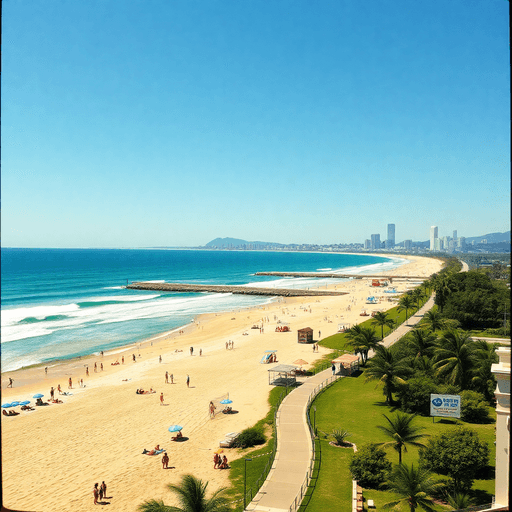
  • Climate: Miami’s tropical climate supports year-round tourism, anchored by beaches and cultural festivals reflecting its diverse population.
  • Trade Hub: Its geography makes it a major hub for international trade, especially with Latin America, influencing the economy of South Florida significantly.

Tampa: Central West Coast Geography

  • Harbor: Tampa is positioned on Florida’s Gulf Coast, featuring a natural deepwater harbor that supports shipping and cruise industries.
  • Landscape: The area includes a mix of urban development and natural landscapes such as bays and wetlands.
  • Economic Gateway: Tampa’s geography allows it to serve as an economic gateway to the western part of Central Florida.
  • Diversified Economy: The city is known for its diversified economy including finance, healthcare, and technology sectors that benefit from its strategic location.

Palm Beach: Southeast Coast Location

  • Barrier Island: Palm Beach is situated on a barrier island along Florida’s southeastern coast.
  • Exclusive Environment: This location provides an exclusive beachfront environment with protected natural preserves nearby.
  • Luxury Destination: Palm Beach location has made it synonymous with luxury real estate, tourism, and seasonal residency.
  • Economic Impact: It plays a critical role in the economic fabric of Southeast Florida through tourism, retail, and cultural events.

Geographic Influence on Economy & Culture

Each city’s geography directly impacts its regional role:

  • Miami leverages its coastal proximity to fuel international business and cultural exchange.
  • Tampa utilizes its natural harbor and central position to act as a logistics and commercial center for west-central Florida.
  • Palm Beach combines natural beauty with affluent development shaping upscale tourism and lifestyle industries.

Understanding the spatial characteristics of these cities helps explain how they contribute uniquely to Florida’s economy and cultural landscape. Their geographic settings create opportunities and challenges that define local identities within North, Central, and South Florida.

Regional Climate Patterns & Weather in 2026

Florida’s climate in 2026 shows distinct regional variations influenced by geography and ongoing environmental factors. The drought in Florida 2026 is a significant concern, primarily impacting parts of North and South Florida. These drought conditions have led to water restrictions, affecting agriculture and natural ecosystems, especially pine forests in the north and sensitive wetlands in the south.

Drought Conditions Affecting North and South Florida

  • North Florida: Several counties face moderate to severe drought stress, with reduced rainfall compared to previous years. This has caused lower water levels in rivers and lakes, threatening local flora and fauna.
  • South Florida: Despite being known for wet seasons, South Florida experiences pockets of drought, particularly affecting urban landscaping and Everglades water levels. These dry spells challenge water management efforts in an already complex ecosystem.

Thunderstorm Activity Concentrated in West-Central & South Regions

Thunderstorms remain a regular feature but show regional concentration patterns:

  • West-Central Florida: Areas near Tampa Bay experience frequent afternoon thunderstorms during summer months. These storms bring heavy rain, lightning, and occasional strong winds that influence outdoor plans and agriculture.
  • South Florida: Enhanced thunderstorm activity is common due to the tropical climate. Miami and surrounding areas often face intense but short-lived storms during the wet season between May and October. This contributes to localized flooding risks and impacts daily commuting.

Milder Weather Trends with Breezy Winds Typical for North Florida

North Florida's climate trends toward cooler, milder conditions in 2026.

  • Winter months occasionally bring cold snaps that dip temperatures below usual averages.
  • Breezy winds are common along coastal areas like Jacksonville, providing relief from humidity.
  • These weather patterns support outdoor activities such as hiking and fishing, contrasting with the more humid conditions found further south.

Understanding these regional climatic nuances helps residents and visitors prepare for seasonal changes effectively while appreciating the diversity within Florida’s geographic zones.

Influence of Geography on Lifestyle & Activities

Florida's diverse geography directly affects how communities set up sports leagues and participate in outdoor activities. By understanding these connections, we gain insight into the daily lives shaped by the state's three major regions.

Sports Leagues and Regional Divisions in Florida

Florida's sports leagues often align with the natural geographic divisions between North, Central, and South regions. These divisions reflect differences in population density, climate, and available facilities:

  • North Florida: The abundance of forests and rural areas allows for leagues focused on outdoor sports like baseball, soccer, and cross-country running. Communities here often organize regional tournaments that take advantage of cooler fall and winter months.
  • Central Florida: This area, including cities like Orlando and Tampa, supports a wide variety of sports from youth leagues to semi-professional teams. Urban parks and well-maintained fields accommodate baseball, football, and soccer leagues. The subtropical climate allows year-round play but requires scheduling adjustments during summer heat waves.
  • South Florida: High urban density combined with warm weather year-round promotes sports such as basketball, volleyball, and water sports. Coastal cities support leagues involving swimming, sailing, and beach volleyball. Indoor facilities also cater to the high demand due to frequent rain showers during the wet season.

The clear regional divisions help local organizers tailor schedules, venues, and league structures according to geographic realities.

Outdoor Activities Shaped by Geographic Features

Outdoor activities in Florida vary widely depending on topography, climate, and natural resources. Each region offers distinct recreational opportunities based on its natural environment.

North Florida Outdoor Activities

North Florida benefits from extensive pine forests and rolling hills. Popular outdoor activities include:

  • Hiking through state parks like Torreya or Ocala National Forest
  • Hunting seasons aligned with wildlife populations
  • Kayaking in freshwater springs and rivers

Central Florida Outdoor Activities

Central Florida's landscape of lakes and urban green spaces encourages:

  • Boating and fishing across numerous lakes
  • Golfing at world-famous courses near Orlando
  • Theme parks combined with outdoor recreation creating a hybrid tourism experience

South Florida Outdoor Activities

South Florida offers beaches, wetlands, and coral reefs that define its outdoor lifestyle:

  • Beach activities such as swimming, snorkeling, paddleboarding along Miami Beach or the Keys
  • Everglades tours highlighting unique ecosystems via airboat rides or birdwatching
  • Urban park exploration blending cultural events with fitness walking trails

The diversity of outdoor experiences reflects how geography shapes recreational preferences.

From my laptop screen here in Da Nang Vietnam, viewing detailed maps showing Florida geography brings these distinctions to life vividly. While I dream about Miami's beaches despite the high costs back home, understanding how each region's geography shapes lifestyles gives me a deeper appreciation for this dynamic state.

This geographic influence extends beyond leisure into community identity through sports organization patterns and distinct outdoor opportunities unique to each region's natural environment.

Capital City Tallahassee: A Unique Blend of Politics & Geography

Tallahassee is the capital of Florida, located in the northern part of the state. Its geography makes it different from other major cities in Florida, as it is surrounded by gently rolling hills and forested areas typical of North Florida’s landscape. Unlike the flat coastal plains found further south, Tallahassee has higher elevations and a combination of hardwood and pine forests, giving it a natural setting that is distinctively different from Miami or Orlando.

Geographical Location and Significance

  • Situated near the Georgia border, Tallahassee serves as a strategic location connecting Florida with other southeastern states.
  • The city is located in Leon County, which is traditionally considered North Florida, but it also shares some characteristics with Central Florida because of its inland position.
  • Tallahassee’s location on slightly elevated land provides natural drainage advantages compared to many low-lying coastal cities in the state.
  • This geography contributes to a somewhat milder climate than South Florida, with cooler winters and less humidity.

Political Boundaries vs. Traditional Geographic Regions

Florida’s political regions do not always align perfectly with its geographic divisions:

  • Tallahassee is the political center for the entire state, where the Florida Legislature, Governor’s office, and various government agencies are located.
  • While geographically North Florida, Tallahassee has an impact on decisions that affect all three regions: North, Central, and South.
  • As the capital city, Tallahassee often serves as a meeting point where different regional interests come together—economic policies for Miami’s urban density may differ significantly from agricultural concerns in rural northern counties.
  • The electoral districts and legislative boundaries around Tallahassee sometimes overlap multiple geographic areas, reflecting population distributions rather than solely physical geography.

Understanding Tallahassee's geography helps explain why this city is so important beyond its size. It is more than just a city in Florida; it is a political anchor that connects different parts of the state through governance while being physically rooted in North Florida’s unique environment.

Conclusion

Understanding the summary Florida regions geography 2026 offers valuable insights for both residents living within the state and international observers tuning in from places as far as Da Nang, Vietnam. Viewing Florida geography on the laptop screen in Da Nang Vietnam provides a unique perspective, highlighting how this diverse state can be appreciated globally despite physical distance.

Key takeaways include:

  • Distinct regional identities: North, Central, and South Florida each present unique landscapes, climates, and cultural influences that shape daily life and economic activities.
  • Environmental challenges: Drought conditions affecting parts of North and South Florida in 2026 underline the importance of sustainable resource management.
  • Climate variability: Differences in weather patterns across regions impact tourism, agriculture, and urban planning.
  • Cultural richness tied to geography: Coastal plains, pine forests, rolling hills, and wetlands create environments that foster varied outdoor lifestyles and community structures.

Environmental changes will continue to influence Florida’s geography. Rising temperatures, altered rainfall patterns, and sea level rise could reshape coastal zones and ecosystems like the Everglades. These shifts call for ongoing attention from policymakers, scientists, and residents alike to adapt effectively.

The ability to explore these geographic nuances digitally—from a laptop thousands of miles away—demonstrates how technology bridges distances and enhances understanding. Whether you are planning a visit, studying regional development, or simply curious about Florida’s layout in 2026, appreciating these differences equips you with a deeper connection to the state’s dynamic character.

FAQs (Frequently Asked Questions)

What are the three main geographic regions of Florida and their key features in 2026?

Florida is divided into North, Central, and South regions. North Florida features temperate climate with pine forests and occasional droughts. Central Florida is known for rolling hills, lakes, and a subtropical climate influencing urban areas like Orlando. South Florida has a tropical climate with warm temperatures year-round, extensive wetlands including the Everglades, and dense urban centers such as Miami.

How does the geography of North Florida differ from South Florida?

North Florida experiences a temperate climate with occasional cold snaps and is dominated by pine forests and natural vegetation. In contrast, South Florida has a tropical climate characterized by warm temperatures throughout the year, coastal plains, extensive wetlands like the Everglades, and higher urban density exemplified by cities such as Miami.

What impact do regional climate patterns have on Florida's environment in 2026?

In 2026, parts of North and South Florida face drought conditions affecting natural ecosystems. Thunderstorm activity is prevalent mainly in West-Central and South regions, while North Florida experiences milder weather trends with breezy winds. These climatic variations influence local agriculture, outdoor activities, and water resource management.

How does Florida's geography influence lifestyle and outdoor activities across its regions?

Geographic features shape lifestyle choices: South Florida's beaches promote water sports and coastal recreation; North Florida's pine forests support hiking and nature exploration; Central Florida's lakes and rolling hills offer diverse outdoor activities. Additionally, geographic divisions guide the organization of local sports leagues across the state.

What is the geographic significance of major cities like Miami, Tampa, and Palm Beach within Florida?

Miami (South Florida) serves as a cultural and economic hub influenced by its tropical coastal geography. Tampa (Central West Coast) benefits from its location near rolling hills and lakes supporting commerce and tourism. Palm Beach (southeast coast) combines coastal plains with affluent residential areas contributing to regional identity within their respective geographic zones.

Why is Tallahassee's geography important to its role as Florida's capital city?

Tallahassee is situated in North Florida where its geographic position supports political administration for the state. Its location reflects how political boundaries sometimes align or differ from traditional geographic regions, making it a unique blend of politics and geography essential for governance within the state's diverse landscape.

Comments

Popular posts from this blog

Tiny Insects in Vietnam: How to Avoid Night Bites in Da Nang Hotels

Interview with SEO GUIDE, crazy motorbike guide — Vietnam's Motorbike Culture Explained

How Much Does It Cost to Live in Miami? Numbers Inside